Deliveries of US Crude WTI are anticipated to take a dip in September in Europe
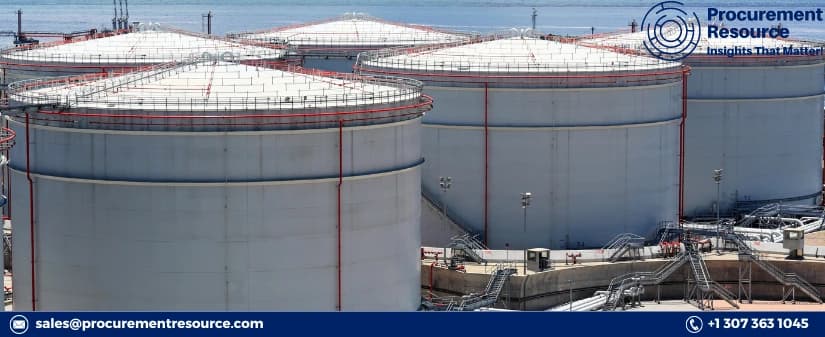
US crude WTI deliveries to Europe are set to decrease in September, potentially bolstering prices for regional oil grades. After reaching a record 1.8mn b/d in July and an anticipated surpassing of 1.9mn b/d in August, according to preliminary data from Vortexa, this surge in WTI imports is predicted to halt next month. This decline is particularly expected in the first half of September.
Request Access For the Latest Price Trends of Crude Oil
One significant reason behind this anticipated drop is the shift of higher WTI shipments towards the Asia-Pacific market. Refiners in the Asia-Pacific region have been purchasing more WTI cargoes set to load in September, likely due to the increased prices of the sour Abu Dhabi grade Murban. Saudi Arabia's decision to extend its production cuts into September has intensified the competition for alternative Mideast Gulf supplies, including Murban. This heightened demand from Asia-Pacific has essentially limited the WTI quantities available for European buyers. Additionally, the arbitrage for shipping US crude to Europe has become less attractive recently.
Another contributing factor to the expected drop in early September WTI imports is the market structure's influence on sellers' decisions regarding which crudes to supply to meet North Sea forward crude commitments. The forward crude markets have become steeply backwardated, making prompt values more premium than forward prices. This structure means sellers are less motivated to deliver cargoes early in September. The flexibility of WTI, which doesn't have fixed loading schedules, allows sellers to delay deliveries if it's financially advantageous.
The exact reduction in WTI shipments to Europe remains uncertain as tracking data for September is still unclear. However, this expected decline might bolster North Sea prices. Since the surge of US arrivals in Europe in March, WTI imports have been suppressing prices for light sweet grades. A decrease in WTI flows and a subsequent increase in its value could enhance demand for local grades of similar quality. This decline could also elevate the value of the Atlantic basin benchmark North Sea Dated. If WTI's value rises and other benchmark grades follow, North Sea Dated's price would likely increase.
Read More About Crude Oil Production Cost Reports - Get Free Sample Copy in PDF
Furthermore, the reduced WTI flows could also benefit heavier North Sea grades, such as the Norwegian medium sour Johan Sverdrup. The availability of cheaper WTI cargoes led European refiners to opt for a sweeter feedstock slate this summer, impacting demand for regional sour crudes. However, this trend is expected to reverse in September. Nonetheless, increased imports from other regions, especially west Africa, might partially counterbalance the decline in WTI arrivals.
According to Procurement Resource, Europe is set to witness a decline in US WTI crude deliveries in September, influenced by shifting market dynamics and increased demand in the Asia-Pacific region. This anticipated reduction could bolster regional oil prices, particularly for North Sea grades. While the exact impact remains uncertain, the trend suggests a potential boost for both light and heavier North Sea oil grades. However, increased imports from regions like west Africa might temper this effect, indicating a complex interplay of global market forces in the coming month.
Recent News & Articles

Methyl Vinyl Ether Buyers Review Regulatory Fit Before Supplier Approval

Feed Barley Procurement Tightens as Australian Output Is Expected to Drop

Diethyl Sulfate Procurement Requires Hazardous Substance Cost Checks

Castor Oil Procurement Needs Quality Review Before June Contracts

Zinc Sulfate Procurement Tightens as Zinc Rally Raises Supplier Offers
Tags
- Access independent price trends and market intelligence for thousands of raw materials.
- Request customised production cost and prefeasibility reports for specific plants or locations.
- Explore subscription dashboards for continuous tracking of prices, indices, and news.
- Commission bespoke research on categories, suppliers, or trade flows tailored to your brief.
Our Team will be happy to assist you
We are Just a Text away