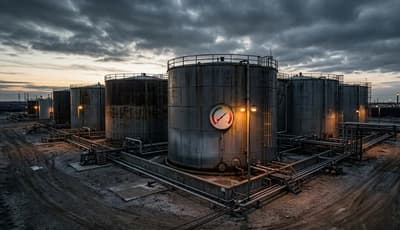
South Korea has recently made a significant effort to support its petrochemical industry by eliminating tariffs on imports of Naphtha and crude oil, which are essential materials used in the production of rubber, plastic, and synthetic fiber. The move to reduce tariffs on all naphtha imports to zero until the end of 2023, compared to the current rate of 0.5 percent, will allow local companies to import the material at a significantly lower cost. Additionally, tariffs on crude oil used in naphtha production will also be reduced to zero for up to 100 million barrels during this period.
This decision was made in response to the prolonged war between Russia and Ukraine, which has disrupted imports from Russia and increased costs for local companies. By eliminating these tariffs, South Korea hopes to reduce its dependence on Russian imports and encourage growth in its domestic petrochemical industry.
Request Access For the Latest Price Trends of Crude Oil
This move is crucial for South Korea's petrochemical industry, as competitors in China and India have recently increased investment in their production facilities, posing a potential threat to South Korea's exports in the future. By reducing tariffs and supporting local businesses, South Korea hopes to remain competitive in the global market and continue to grow its petrochemical industry for years to come.
Read More About Crude Oil Production Cost Reports - Get Free Sample Copy in PDF
According to Procurement Resource, to bolster its petrochemical industry, the government of South Korea has announced that it will be gradually reducing tariffs on Naphtha and crude oil imports. The ultimate goal is to eliminate these tariffs entirely by the close of 2023. This decision was prompted by recent import disruptions caused by the ongoing conflict between Russia and Ukraine. South Korea hopes that this move will help to ensure a steady supply of these essential resources, thus supporting its thriving petrochemical sector.