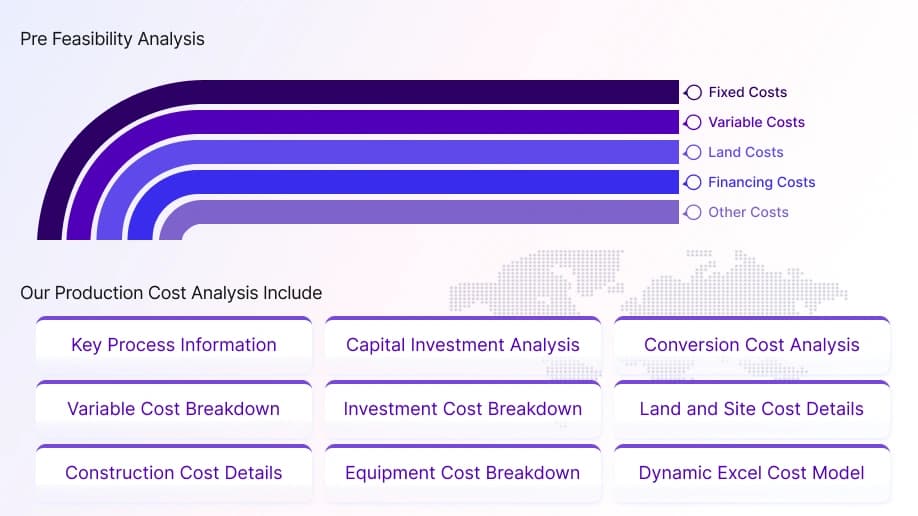
The report provides a detailed analysis essential for establishing a phenolic resin production plant. It encompasses all critical aspects necessary for phenolic resin production, including the cost of phenolic resin production, phenolic resin plant cost, phenolic resin production costs, and the overall phenolic resin production plant cost. Additionally, the study covers specific expenditures associated with setting up and operating a phenolic resin production plant. These encompass production processes, raw material requirements, utility requirements, infrastructure needs, machinery and technology requirements, manpower requirements, packaging requirements, transportation requirements, and more.
Phenolic Resin Market Analysis: Supply Trends, Demand Outlook, and Sourcing Insights
Phenolic resin is a heat-resistant plastic made by reacting phenol or related chemicals with formaldehyde. Its strong chemical structure gives it good heat resistance, stable shape, electrical insulation, and strong bonding ability. It is sold in different forms, including water-based liquids, solvent-based solutions, solid flakes, powders, dispersions, and molding compounds. Liquid grades are stored in lined tanks or drums, while solid grades should be kept in a cool, dry place. Shelf life depends on factors such as pH, temperature, solid content, etc.
Industrial phenolic resin sourcing includes several types, such as resol, novolac, phenol-resorcinol, alkylphenol, cresylic, and modified grades made for specific uses. Major buyers include manufacturers of wood adhesives, insulation materials, brake and clutch parts, abrasives, molding compounds, laminates, refractories, foundry binders, etc. Asia has the largest range of end-use industries, while North America and Europe remain important markets for wood products, insulation, transportation, and specialty resins. Supply comes from large integrated producers, regional manufacturers, and specialist companies that provide technical support. Buyers check suppliers based on viscosity, gel time, solid content, softening point, free phenol, free formaldehyde, curing performance, and storage stability. Investors planning a phenolic resin plant should review access to phenol and formalin, utility costs, emission-control needs, product range, etc. These factors help assess plant costs and overall industrial production economics.
Phenolic Resin Product Insights: Specifications, End Uses, and Supplier Considerations
Phenol-formaldehyde resin appears as an amber to dark-brown liquid, brittle solid, flake, or powder, depending on molecular weight and solvent content. Resol resins contain reactive methylol groups and can cure without a separate crosslinker. Novolac resins are thermoplastic intermediates that normally cure with hexamethylenetetramine or another formaldehyde donor. Commercial specifications include solids, water, viscosity, pH, gel time, free phenol, free formaldehyde, flow, softening point, ash, and cure speed. Liquid grades are packed in drums, intermediate bulk containers, or tankers. Solid grades are supplied in bags or bulk bags with moisture protection. Phenolic resin connects raw materials such as phenol and methanol with industries that make wood products, automotive parts, electrical goods, industrial equipment, and construction materials.
Buyers check suppliers for consistent quality, good storage life, technical support, proper regulatory documents, and the ability to adjust curing performance for different uses. These needs support the preparation of a phenolic resin production plant project report. Customer audits may also review batch tracking, complaint management, and records of product or process changes. Wood products and insulation materials use large amounts of phenolic resin because resol resins provide strong bonding, water resistance, and heat resistance. They are used in exterior plywood, oriented strand board, laminated wood, mineral wool, and glass wool.
Friction materials use modified novolac resins to hold together fibers, fillers, graphite, and abrasive materials in brake pads and clutch parts. Abrasive products also use phenolic resin to improve wheel strength, heat resistance, etc. Molding compounds mix novolac resin with wood flour, minerals, glass fiber, or other materials to make electrical, automotive, and appliance parts. Laminate grades are used to coat paper, cloth, and filter materials before heat curing. Refractory products use phenolic resins in bricks, nozzles, slide gates, and ramming mixes because they produce high carbon levels after heating. Foundries use different phenolic binders to make molds and cores. Phenolic resins are also used in coatings for metal bonding, corrosion protection, can linings, etc. Special grades are used in carbon products, composites, rubber, tires, and oilfield materials where heat resistance, bonding strength, or carbon yield is needed.
Phenolic Resin End-Use Applications: Key Sectors and Demand Drivers
Wood products and insulation materials are some of the biggest users of phenolic resin. Exterior panels and engineered wood need strong adhesives that can resist heat and moisture. Mineral wool and glass wool use resol resins to bind fibers together and maintain fire resistance and shape. Demand is supported by construction activity, home repairs, furniture exports, energy-saving rules, and increasing use of insulation materials. Buyers select resins based on curing time, press cycle, emissions, bonding strength, solid content, and how well they fit their production process.
Transportation and industrial materials are also major users of phenolic resin. Brake pads, clutch parts, abrasives, refractories, and foundry products use it because the cured resin can withstand high heat and mechanical pressure. Demand in these sectors depends on vehicle production, replacement brake sales, steel production, metal casting, machining activity, and infrastructure repair. Phenolic resin is also used in molding compounds, laminates, and electrical parts because it provides stable shape and good insulation. Suppliers usually need to complete application tests before approval, as small changes in resin flow, gel time, or free monomer content can affect the final product.
Phenolic Resin Market Challenges and Key Risks
Phenolic resin producers rely on phenol and formaldehyde, which are linked to raw materials such as benzene, propylene, and methanol. Any supply shortage or price increase in these materials can quickly raise production costs and reduce profits. A phenolic resin demand and supply analysis shows that demand changes with activity in construction, automotive, steel, electronics, etc. Customers often need a long approval process before accepting new suppliers, making supplier changes difficult. Stricter rules on phenol and formaldehyde emissions increase compliance costs and raise demand for low-emission resin grades. Import duties, hazardous material transport costs, and local energy prices can also affect product competitiveness. Phenolic resin also competes with epoxy, polyurethane, acrylic, and bio-based binders in some applications.
The main operational risk comes from the heat released during the chemical reaction. The plant must carefully control pH, temperature, and the ratio of raw materials. Poor control can cause the resin to thicken too quickly, leave too much unreacted material, form gels, or produce a batch that does not meet quality standards. Equipment problems such as reactor corrosion, blocked condensers, vacuum failure, or loss of cooling can reduce production. Waste gases and wastewater must also be treated properly. Different resin grades must be kept separate. Mixing resol, novolac, modified, or solvent-based grades can affect quality and lead to customer rejection.
Phenolic Resin Production Process: Process Flow, Feedstock Use, and Cost Drivers
This report comprises a detailed value-chain evaluation for phenolic resin production and a production cost analysis focused on industrial phenolic resin production.
- By Phenol-Formaldehyde Condensation: The feedstock includes phenol, formaldehyde solution, water, an acid or alkaline catalyst, and optional modifiers.
The phenolic resin production process starts by adding measured amounts of phenol and formaldehyde to a stirred reactor. Resol resin is made using an alkaline catalyst and extra formaldehyde. Novolac resin is made using an acid catalyst and extra phenol. The mixture is heated under controlled conditions to begin the reaction, while cooling is used to manage the heat produced. Water and other light materials are then removed under vacuum until the required solid content or softening point is reached. The batch may be neutralized, cooled, filtered, and blended to meet product requirements. Liquid resol resin is sent to storage tanks. Molten novolac resin is cooled into flakes, ground into smaller particles, and packed. The main production costs include phenol, formaldehyde, energy, product yield, and waste-gas treatment.
Key Factors Affecting Phenolic Resin Production Cost
Phenol is usually the largest raw material cost in phenolic resin production. Its price is linked to benzene, propylene, and cumene markets. Formaldehyde costs mainly depend on methanol and energy prices. The cost of catalysts, modifiers, solvents, and hexamethylenetetramine changes according to the resin grade being produced. Steam, cooling water, chilled water, vacuum systems, and electricity are needed to control the reaction and remove water.
Production losses increase when batches do not meet required limits for viscosity, flow, gel time, or free monomer content. Other expenses include labor, maintenance, quality testing, gas treatment, and wastewater handling. Packaging type and storage time can also affect product quality and the amount of usable resin. Phenolic resin production costs change with phenol and methanol prices, formalin availability, and utility costs. Transport expenses also affect the cost of imported phenol and packed resin. Production cost depends on the type of resin being made. Specialty resin grades require additional additives, better process control, smaller production batches, and more cleaning between runs. If the plant operates below full capacity, the cost per unit increases. Stricter emission rules, worker safety requirements, and higher waste treatment costs can further raise production expenses and reduce plant profitability.
Raw Material Sourcing for Phenolic Resin: Pricing Trends and Procurement Factors
Phenolic resin production costs change with phenol and methanol prices, formalin availability, and utility costs. Transport expenses also affect the cost of imported phenol and packed resin. Production cost depends on the type of resin being made. Specialty grades need extra additives, stricter process control, smaller batches, and more cleaning between production runs. Low plant use also increases the fixed cost per unit. Stricter emission rules, worker safety measures, and higher waste treatment charges can further increase production costs and affect plant profitability.
Hexamethylenetetramine is important for novolac curing and is supplied as powder or granules. Modified grades may also require cresols, resorcinol, alkylphenols, furfural, lignin, cashew-derived materials, glycols, alcohols, or other additives. Solvent-based products can use methanol, ethanol, butanol, ketones, or aromatic solvents, subject to the formulation. Phenol usually creates the largest and most variable part of total phenolic resin production cost. Formaldehyde movement follows methanol, while solvent and modifier prices follow their own petrochemical chains. Packaging costs move with steel, plastic, paper, and pallet prices.
Procurement planning starts with securing reliable suppliers for phenol, formalin, catalysts, and specialty additives. Buyers evaluate suppliers based on raw material quality, consistency, delivery reliability, storage requirements, and technical support. Phenol and formalin availability can directly affect production schedules, making supplier diversification and inventory planning important. Bulk purchasing can reduce handling and logistics costs but requires dedicated storage tanks and unloading facilities. Large-scale producers may consider in-house formaldehyde production to improve supply security, although it requires additional investment and emission control systems. Since rejected resin has limited recovery value, consistent raw material quality and accurate dosing are important to reduce production losses. Long-term supply agreements can improve stability, but companies still need backup suppliers to manage unexpected shortages, transport delays, and market disruptions.
Sustainability and Regulatory Compliance in Phenolic Resin Production
Phenolic resin plants control emissions from formaldehyde, phenol, methanol, and solvents by using closed equipment, condensers, scrubbers, vapor recovery systems, sealed storage, etc. Wastewater from production and equipment cleaning is treated properly before disposal. Heat recovery, shorter production cycles, water reuse, and higher solid-content resins help reduce energy use and wastewater. Low free-monomer resins, water-based resins, lignin-modified products, and renewable raw materials help lower the environmental impact of phenolic resin production.
Phenolic resin producers must follow rules related to chemical registration, product classification, safety information, air emissions, wastewater discharge, flammable material storage, etc. Companies selling products in Europe may need to comply with REACH and CLP requirements for raw materials, additives, and resin mixtures. Plants in the United States may also need to meet air emission standards for amino and phenolic resin production. Worker safety measures should cover exposure to formaldehyde, phenol, corrosive chemicals, hot resin, and enclosed work areas. ISO 14001 and responsible-care programs help companies maintain proper records and prepare for audits. Companies must also provide correct labels, transport details, safety information, and handling instructions to customers.
CAPEX and OPEX Consideration for Phenolic Resin Production Plant
A detailed phenolic resin production plant report must capture both capital outlay and recurring operating expenditure. Core equipment includes stainless-steel or glass-lined batch reactors, agitators, metering systems, condensers, reflux vessels, vacuum units, neutralization vessels, filters, blending tanks, and finished-product storage. Solid novolac production also needs melt transfer, flaking, cooling, grinding, sieving, and powder packing. Auxiliary systems cover steam, cooling water, chilled water, nitrogen, compressed air, ventilation, fire protection, scrubbers, and wastewater treatment. A quality laboratory requires viscosity, gel-time, solids, pH, softening-point, free-phenol, and free-formaldehyde testing.
Civil works, hazardous storage, warehouses, loading bays, and electrical systems form the phenolic resin plant setup cost. OPEX includes phenol, formalin, catalysts, modifiers, solvents, hexamethylenetetramine, utilities, maintenance, waste treatment, packaging, freight, production labor, quality staff, and administration. These items determine phenolic resin production cost. Additional capital may be needed for formalin production, solvent recovery, automated batch control, separate low-monomer lines, and explosion-protected electrical systems. Working capital can be significant because phenol, formalin, solvents, packaging, etc., must remain available. Storage cooling and inventory rotation are important for reactive liquid resol products.
Plant Location and Investment Considerations for Phenolic Resin Production
The plant should be built near dependable supplies of phenol, formaldehyde, water, steam, electricity, and chemical transport services. A site near a petrochemical area can lower phenol transport costs and ensure steady raw material supply. Since formalin is expensive to transport over long distances, it is better to have a nearby supplier or produce it within the same plant. The site should also have wastewater treatment, air pollution control systems, fire-water facilities, separate chemical storage areas, good roads, and enough land for future expansion.
Investment decisions depend on the types of resin produced, batch size, yearly plant use, automation level, solid material handling, and the need for solvents. Wood and insulation resins are usually made in large batches, while resins for friction materials, refractories, coatings, and electronics need more flexible equipment. Producing formaldehyde within the same facility can lower costs when the plant operates at a suitable scale. The payback period depends heavily on phenol prices, customer approval time, rejected batches, utility costs, etc. A plant located near raw materials and customers can also reduce supply, transport, and compliance risks.
Global Phenolic Resin Production and Key Production Hubs
East Asia is a major center for phenolic resin production. China, Japan, and South Korea have strong supplies of phenol and large automotive, electronics, steel, abrasives, refractory, and construction industries. Japan is known for specialty resins used in friction materials, electronics, carbon products, etc. North America has well-established plants supplying wood panels, insulation, transportation, adhesives, and other industrial markets. Europe also has major production sites in Germany, the Netherlands, the United Kingdom, Belgium, Spain, Finland, Poland, France, and Italy. Production is growing in India and Southeast Asia due to rising demand from automotive, foundry, refractory, and building-material industries. Brazil and South Africa mainly serve regional industrial markets. Each plant needs reliable raw material supply, trained workers, emission permits, testing laboratories, etc. Petrochemical centers in the Middle East may also attract future investment because they offer phenol supply, good export links, and access to regional customers.
Phenolic Resin Key Players Overview
Bakelite Synthetics
- The company produces liquid resol resins, powdered novolac resins, resin solutions, molding compounds, and modified phenolic resins.
- It has production facilities in the United States, Canada, Europe, Argentina, and Chile.
- Its products range from lower-cost wood binders to premium resins made for special applications.
- Low-monomer products support quality approval.
Sumitomo Bakelite Co., Ltd.
- The company produces resol, novolac, lignin-modified, low-monomer, and high-adhesion phenolic resins.
- It has production facilities in Japan, China, Indonesia, the United States, Belgium, and Spain.
- Its premium resins are used in electronics, friction materials, carbon products, refractories, and composites.
- Global testing laboratories and the development of resins with low free-monomer content help the company meet strict regulatory requirements.
Prefere Resins Group
- The company produces resol and novolac resins for construction, insulation, and other industrial uses.
- It has eight production sites across Europe, with its main operations based in Germany.
- Its products are positioned in the mid-range to premium category, with custom formulations and local supply.
- European compliance systems, technical support, and special hardener options help customers test and approve its products.
Hexion Inc.
- In-house production includes phenolic and phenol-resorcinol adhesive systems for wood and engineered materials.
- Production operations include the United States, Canada, and the Netherlands.
- The company offers products ranging from high-volume, lower-cost binders to premium structural adhesives.
- Wood testing, low-emission products, and responsible-care practices support reliable production and product quality.
SI Group, Inc.
- In-house production includes resole, alkylphenol, reinforcing, tackifying, and coating phenolic resin technologies.
- Production footprint includes the United States, France, Germany, India, China, Korea, and Singapore.
- The company offers mid-range to premium products for rubber, adhesives, tires, and coatings.
- REACH support, global quality systems, and production from several locations help maintain a reliable supply.
ASK Chemicals Group
- The company produces foundry binders and phenolic resins used in friction materials, abrasives, refractories, and insulation products.
- It has production facilities in Germany, Brazil, India, South Africa, China, and Mexico.
- Its products are priced in the mid-range to premium category, depending on the required application.
- Foundry laboratories, product selection guides, low-emission resins, and local technical support help customers test and approve its products.