Butanol Price Trend Analysis 2026: Price Drivers, Market Insights, Latest News, Supply Demand Analysis & Historical Prices

Udeesha Tomar profile photo
Written ByUdeesha Tomar

Procurement Resource Database

Laptop screen

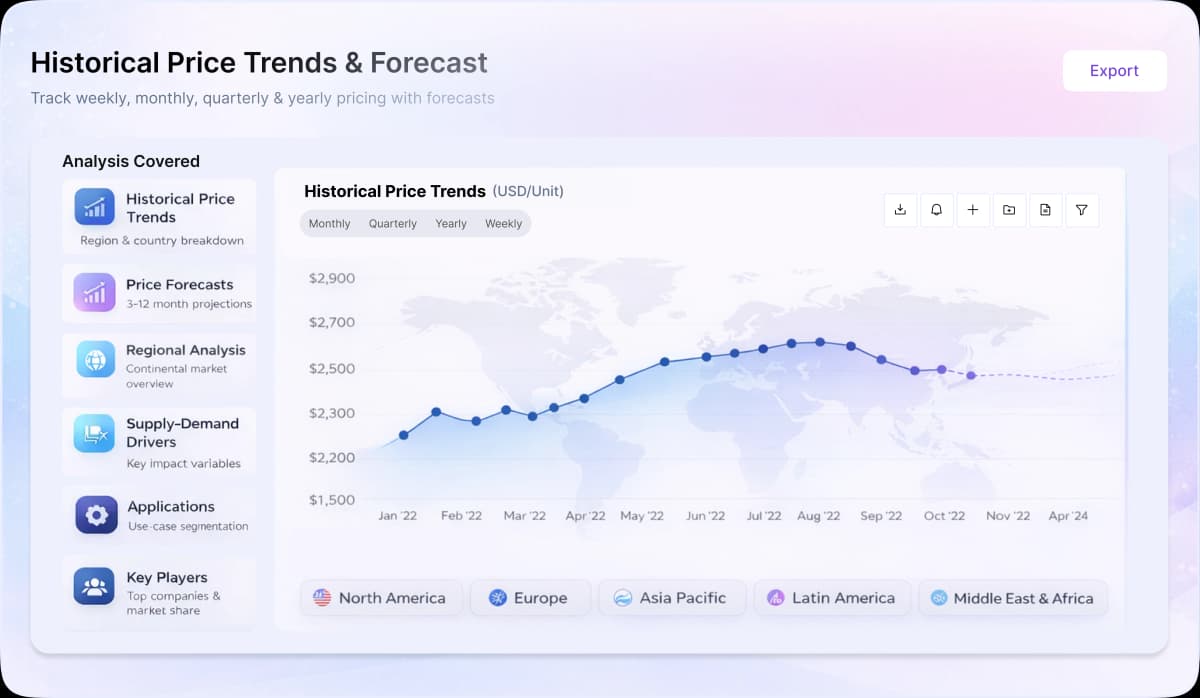
Turn price intelligence into action with the Procurement Resource Database. Log in or subscribe to unlock live price trends, historical charts, supplier databases, cost curves, and analyst-backed insights across chemicals, agriculture, energy, packaging, and more. Use these tools to benchmark your contracts, plan budgets with confidence, and stay ahead of market moves on every product you buy.



0

+

Products

0

+

Regions

0

+

Subscriptions

Product Category Region Price Time Period
Butanol Chemicals India 902 USD/MT July 2025
Butanol Chemicals India 930 USD/MT September 2025

Stay updated with the latest Butanol prices, historical data, and tailored regional analysis

Asia

The Chinese butanol market moved through alternating phases of decline and recovery during the quarter. Early weakness was visible due to steady output from key producers and muted downstream purchasing in coatings, plasticizers, and solvents. High inventory levels and limited new demand led suppliers to reduce offers, pulling prices downward. Midway through the period, the market gained mild support from reduced plant operating rates and a short-lived tightening in regional supply. However, the uptrend was limited as most downstream users purchased only for immediate requirements. In the last weeks, sentiment softened again, with sellers prioritizing inventory clearance and competitive pricing.

In Q3’25, the butanol price graph witnessed a fluctuating trend with an upward bias in the Indian market. Butanol prices trended upward early in the quarter, supported by higher import costs and consistent offtake from the coatings and adhesive manufacturing sectors. The prices were about 902 USD/MT (Spot) in July and around 930 USD/MT in September. Domestic suppliers adjusted offers marginally to match rising freight and feedstock expenses, while demand from paint and resin industries remained stable. As the quarter progressed, sentiment flattened with limited buying interest, as most consumers had already built inventories ahead of the festive season. Toward the end of the quarter, prices stabilized at moderate levels, aligning with steady supply and restrained downstream activity.

Europe

In Europe, butanol prices mirrored the mixed performance seen in China, characterized by fluctuating trends within a narrow range. Early in the quarter, weak fundamentals and cautious purchasing behaviour in the construction and coatings industries weighed on sentiment. The mid-period saw brief support from maintenance shutdowns and firmer naphtha values, but these gains proved short-lived as demand from end-use industries remained inconsistent. Supply levels were sufficient across the region, and trading activity stayed moderate, with limited speculative participation. By the close of the quarter, prices settled slightly below mid-period levels, indicating an oscillating pattern shaped by short-term cost adjustments and shifting buyer sentiment.

North America

The North American butanol market displayed similar oscillating behaviour throughout the quarter. Early trading reflected stable demand from paint, automotive, and adhesive industries, but rising inventories and slower construction activity led to sporadic price adjustments. Temporary supply disruptions at some plants provided momentary price stability, though the overall direction remained sideways. Midway through the quarter, limited feedstock volatility and steady import parity kept price movements contained. As the period ended, ample supply and restrained downstream consumption exerted mild downward influence.

About Butanol

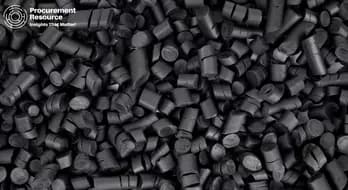
Butanol is a popular fuel for internal combustion engines. Butanol is a C4-hydrocarbon that may be used as a drop-in fuel in cars that were meant to run on gasoline. Butanol comes in four isomers, however the most active commercialization activity is on isobutanol for gasoline mixing. Biobutanol may be mixed readily with gasoline at quantities of up to 11.5 percent by volume.

Butanol Product Detail

Chemical Formula

C4H10O

Molecular Weight
74.12g/mol
Industrial Uses

Butyl Acrylate, Butyl Acetate, Glycol Ethers, Direct Solvent, Plasticizers

Synonyms

1-butanol, Butan-1-ol, n-butanol, Butyl alcohol

Supplier Database

BASF (Germany), The DOW Chemical Company (US), Eastman (US), OQ Chemicals (Germany), SASOL (South Africa), BASF PETRONAS (Malaysia), PetroChina (China), Mitsubishi Chemical Company (Japan), SINOPEC (China), KH Neochem (Japan)

Regional Coverage

Asia Pacific

China, India, Indonesia, Pakistan, Bangladesh, Japan, Philippines, Vietnam, Iran, Thailand, South Korea, Iraq, Saudi Arabia, Malaysia, Nepal, Taiwan, Sri Lanka, UAE, Israel, Hongkong, Singapore, Oman, Kuwait, Qatar, Australia, and New Zealand

Europe

Germany, France, United Kingdom, Italy,Spain, Russia, Turkey, Netherlands, Poland, Sweden, Belgium, Austria, Ireland Switzerland, Norway, Denmark, Romania, Finland, Czech Republic, Portugal and Greece

North America

United States and Canada

Latin America

Brazil, Mexico, Argentina, Columbia, Chile, Ecuador, and Peru

Africa

South Africa, Nigeria, Egypt, Algeria, Morocco

CurrencyUS$ (Data can also be provided in local currency)

Supplier Database AvailabilityYes

Customization ScopeThe report can be customized as per the requirements of the customer

Post-Sale Analyst Support360-degree analyst support after report delivery

Note: Our supplier search experts can assist your procurement teams in compiling and validating a list of suppliers indicating they have products, services, and capabilities that meet your company's needs.

Butanol Production Processes

  • Production of Butanol from Ethanol

Biobutanol is often produced in ethanol producing plants. The earliest biobutanol facilities were really converted corn ethanol units.

Frequently Asked Questions

The butanol outlook remains tied to supply-demand alignment across Asia, Europe, and North America, since the market has recently gone through a period of oversupply relative to downstream buying. Propylene feedstock costs, converted via oxo-synthesis into butanol, are the key cost lever, while downstream demand from paints and coatings, pharmaceuticals, cosmetics, and plasticizer producers determine how much of any cost movement passes through to prices. A pickup in downstream consumption or tighter feedstock supply would support firmer pricing, while renewed inventory builds or continued cautious buying would keep the market range-bound to soft.
Butanol prices are shaped primarily by the balance between supply and downstream demand across Asia, Europe, and North America. Ample supply combined with restrained downstream consumption, where buyers limit purchases to essential volumes, tends to keep negotiations soft and can push producers to lower offers to ease inventory pressure. Seasonal slowdowns, such as holiday periods in major consuming markets, can further dampen buying interest. When supply-demand alignment improves, whether through production discipline or a pickup in downstream offtake, prices tend to stabilize and can register modest upward adjustments.
Major butanol producers are concentrated in a few countries: Germany (BASF, OQ Chemicals), the United States (Dow Chemical, Eastman), South Africa (Sasol), Malaysia (BASF PETRONAS), China (PetroChina, SINOPEC), and Japan (Mitsubishi Chemical, KH Neochem). OXEA GmbH ranks among the top five global manufacturers. This geographic concentration creates supply security exposure for buyers, as disruptions at major facilities can tighten global availability. Consumption is spread across Asia (notably China and India), Europe, and North America, the primary consuming markets.
Butanol is produced via two primary petrochemical routes: propylene reacts with syngas in an oxo-reaction to form butyraldehyde, which is then hydrogenated to butanol; alternatively, propene undergoes hydroformylation. A biobased route uses ethanol fermentation. The finished butanol is consumed mainly as a chemical intermediate to produce butyl acrylate, butyl acetate, glycol ethers, and plasticizers, with additional direct use as a solvent in paints, coatings, pharmaceuticals, and cosmetics.
Butanol demand is driven by downstream sectors. Paints and coatings use it as a slow evaporating solvent in lacquers and enamels. Pharmaceutical and cosmetic sectors rely on it as an extractant and intermediate. In chemicals, it is a precursor for butyl acrylate, butyl acetate, glycol ethers, and plasticizers. Textile processing, automotive hydraulic and brake fluids, and fuel blending add further outlets. When these sectors run strongly, procurement volumes firm and price support builds; when they soften, buying interest turns cautious and prices ease.
Procurement Resource assesses butanol prices through a structured, data-driven methodology that combines primary engagement with producers, suppliers and traders, secondary market data, continuous monitoring of feedstock and input costs, trade-flow and inventory tracking, and exchange or spot benchmarks. These inputs are validated and translated into a transparent price assessment and outlook. The detailed methodology is available on the Procurement Resource website.

Our Price Analysis Methodology

About the Author

Udeesha Tomar profile photo

Udeesha Tomar

AVP - Strategy and Solutions

Leading procurement research solutions across chemicals, materials, and food & beverages, with expertise in price forecasting and market analytics.

Schedule Demo

Schedule A Demo

Experience how Procurement Resource transforms raw material price data into clear, decision ready intelligence. Optimise your performance with reliable, expert market data and analysis. Schedule your demo today to experience a live walk-through where our experts will showcase interactive price charts, forecasted prices, and insights driving the prices for your key commodities, tailored to your workflows. Contact us now!

Our Team will be happy to assist you

We are just a text away

+1

Still Need Help?

Europe & Africa

+44 7573 171117

Sales@procurementresource.com

USA & Canada

+1 307 363 1045

Sales@procurementresource.com

APAC

+91 8850629517

Sales@procurementresource.com

Other Related Reports

Butanol Production from Propylene and Syngas

This report presents a detailed cost analysis of butanol production from propylene and syngas.

Butanol Production from Propene via Hydroformylation

This report presents a detailed cost analysis of butanol production from propene using hydroformylation process.

Butane Manufacturing Plant Project Report 2026: Cost Analysis, ROI, and Feasibility Insights

Butane Manufacturing Plant Project Report thoroughly focuses on every detail that encompasses the cost of manufacturing. Our extensive cost model meticulously covers breaking down expenses around raw materials, labour, technology, and manufacturing expenses. This enables precise cost structure optimization and helps in identifying effective strategies to reduce the overall cash cost of manufacturing.

Unlock full access to Procurement Resource's price databases, interactive charts, and short-term forecasts for thousands of commodities. Elevate your sourcing decisions by comparing prices across regions, downloading historical data, and layering in analyst-backed insights, all with our flexible plans that scale as your portfolio grows.

Still have any Questions

Contact Us
Mastercard
Wire
VISA
Stripe

Related News

View All

Why Procurement Database

Commodity Market Intelligence

Commodity Market Intelligence

Track prices, market movements, supply-demand dynamics, and industry developments across hundreds of commodities through a centralized intelligence platform built for informed procurement decisions.

Price Forecasts & Market Outlooks

Price Forecasts & Market Outlooks

Understand market fluctuations using analyst-backed forecasts, historical pricing patterns, and evolving industry trends to strengthen sourcing strategies and budget planning.

Cost & Procurement Optimization

Cost & Procurement Optimization

Leverage cost models, pricing benchmarks, and procurement insights to evaluate purchasing opportunities, improve negotiations, and enhance operational efficiency.

Global & Regional Market Insights

Global & Regional Market Insights

Access region-specific price trends, trade activities, capacity changes, and supply chain developments influencing commodity markets worldwide.

1/4