Dark Chocolate Price Trend Analysis 2026: Market Insights, Latest News, Supply Demand Analysis, Historical Prices & Price Drivers

Siddharth David profile photo
Written BySiddharth David

Procurement Resource Database

Laptop screen

Turn price intelligence into action with the Procurement Resource Database. Log in or subscribe to unlock live price trends, historical charts, supplier databases, cost curves, and analyst-backed insights across chemicals, agriculture, energy, packaging, and more. Use these tools to benchmark your contracts, plan budgets with confidence, and stay ahead of market moves on every product you buy.

0

+

Products

0

+

Regions

0

+

Subscriptions

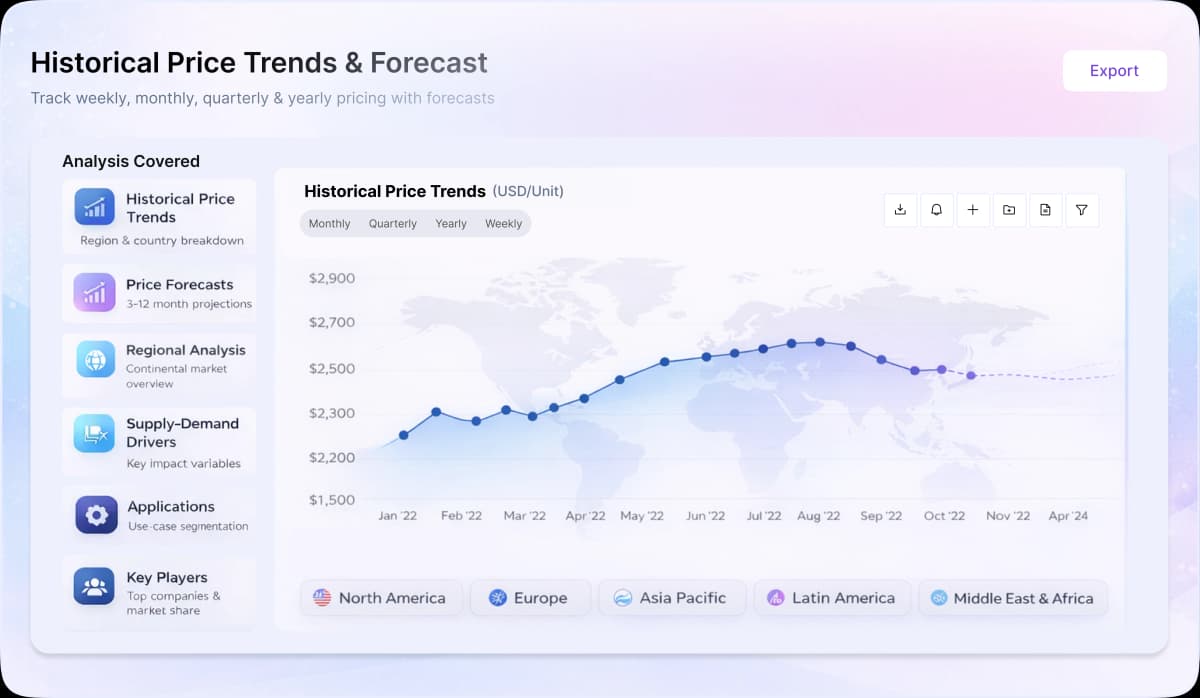
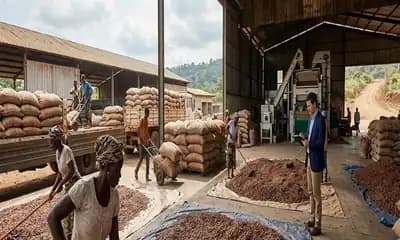
In 2024, dark chocolate prices increased strongly throughout the year as the global cocoa market faced serious supply shortages and rising production costs. The main reason behind this trend was the sharp rise in cocoa prices, caused by poor harvests in West Africa, especially in Ivory Coast and Ghana, which produce a large share of the world’s cocoa. Unusual weather linked to El Nino, along with plant diseases, aging trees, and reduced farming land due to mining activities, lowered crop output and tightened supply. This created a large gap between supply and demand and pushed up the cost of cocoa used in chocolate production.

Higher labor, fertilizer, and transport costs added more pressure on manufacturers. Many producers adjusted their pricing, reduced pack sizes, or changed product mixes to manage costs. At the same time, demand for premium and specialty chocolate remained steady, which supported the high price trend. Overall, dark chocolate prices stayed elevated in 2024 due to limited cocoa supply and strong market demand.

About Dark Chocolate

Dark Chocolate is basically a type of chocolate which contains cocoa solids, cocoa butter, and sugar, without the milk solid constituents that are generally found in milk chocolate variants. It is a healthier alternative to other chocolate-types owing to presence of minerals such as iron, magnesium and zinc as well as antioxidants.

Dark Chocolate Product Detail

Synonyms

Black Chocolate, Plain Chocolate, Sour Chocolate

Industrial Uses

Bars, Syrup, Cookies, Ice Creams, Cakes, Pastries, Others, Cosmetics

Supplier Database

Nestlé S.A, Ferrero U.S.A., Inc, Barry Callebaut AG, Mondelez International, The Hershey Company, Blommer Chocolate Company

Regional Coverage

Asia Pacific

China, India, Indonesia, Pakistan, Bangladesh, Japan, Philippines, Vietnam, Iran, Thailand, South Korea, Iraq, Saudi Arabia, Malaysia, Nepal, Taiwan, Sri Lanka, UAE, Israel, Hongkong, Singapore, Oman, Kuwait, Qatar, Australia, and New Zealand

Europe

Germany, France, United Kingdom, Italy,Spain, Russia, Turkey, Netherlands, Poland, Sweden, Belgium, Austria, Ireland Switzerland, Norway, Denmark, Romania, Finland, Czech Republic, Portugal and Greece

North America

United States and Canada

Latin America

Brazil, Mexico, Argentina, Columbia, Chile, Ecuador, and Peru

Africa

South Africa, Nigeria, Egypt, Algeria, Morocco

CurrencyUS$ (Data can also be provided in local currency)

Supplier Database AvailabilityYes

Customization ScopeThe report can be customized as per the requirements of the customer

Post-Sale Analyst Support360-degree analyst support after report delivery

Note: Our supplier search experts can assist your procurement teams in compiling and validating a list of suppliers indicating they have products, services, and capabilities that meet your company's needs.

Dark Chocolate Production Process

  • Production of Dark Chocolate via Conching and Tempering: While producing Dark Chocolates using conching and tempering process, the cocoa beans are fermented to bring out the flavour of the cocoa beans. The outer shells of cocoa beans are removed to bring out the inner nibs, which are further alkalised to reduce the bitterness. Finally, in a conching press, these alkalised nibs are processed, transforming it to a creamy paste, followed by the addition of cocoa butter and sugar. This paste is ultimately moulded into Dark Chocolate bars.

Frequently Asked Questions

The dark chocolate outlook remains tied to West African cocoa harvest conditions, since structural supply constraints from aging trees and plant diseases, combined with strong global demand, keep persistent pressure on prices. Trade tariffs and elevated transport and energy costs add further cost headwinds. Improved crop output and new South American plantings offer some supply relief, but meaningful and sustained easing requires broader harvest improvements across West Africa. A renewed weather shock or disease outbreak would reinforce upward pressure.
Cocoa supply conditions in West Africa are the central driver of dark chocolate prices. Extreme weather, droughts, high temperatures, aging trees, and plant diseases can cause crop failures and suppress output, pushing prices to record levels. Improved weather, mid-season crop recovery, and new South American plantings can bring easing, though aging trees in origins such as Ghana and Indonesia tend to keep growth modest even during recovery periods. Trade tariffs and higher transport and energy costs add a further layer of cost pressure.
Cocoa production is heavily concentrated in West Africa, with Ivory Coast and Ghana as dominant suppliers, while South American plantings offer incremental relief. Barry Callebaut and Blommer Chocolate Company process cocoa ingredients for major manufacturers including Nestlé S.A., The Hershey Company, Mondelez International, Ferrero Group, Mars Incorporated, and Lindt & Sprüngli AG. Asia-Pacific leads consumption driven by urbanisation and food processing expansion, while North America and Europe represent mature, high-value markets.
Falling London and New York cocoa futures, combined with accelerated Ivory Coast arrivals and ICE-certified inventories at their highest level in two years, have eased raw material costs for dark chocolate manufacturers and shifted leverage toward buyers. These developments follow a volatile 2025 in which tight West African supply, extreme weather, aging trees, trade tariffs and higher transport costs kept prices elevated.

Dark chocolate is produced from cocoa beans as the primary raw material, with cocoa butter and sugar added during processing. Production begins with fermenting cocoa beans to develop flavour, followed by drying to prevent mould growth and roasting to enhance colour and taste. Outer shells are removed to extract nibs, which are alkalised to reduce bitterness. The nibs are processed in a conching press to create a creamy paste, then cocoa butter and sugar are mixed in before the final product is moulded into dark chocolate bars.

Dark chocolate demand is driven by confectionery and baking applications, where it functions as a flavoring agent and thickener in cakes, cookies, pastries, ice creams, and hot drinks like hot chocolate. Strong consumer preference for its health-linked attributes, including antioxidants, minerals, and bioactive compounds, amplifies pull from the food, beverage, and healthcare sectors. This broad downstream consumption keeps procurement activity firm and supports price resilience, even as supply-side volatility from cocoa availability exerts upward pressure on costs.
Dark chocolate prices respond to seasonal cocoa supply conditions in West Africa. Extreme weather, aging trees, and crop diseases can sharply reduce cocoa output, pushing prices higher, while improved weather, mid-season crop recovery, and new South American plantings tend to allow some easing. Trade tariffs and elevated transport and energy costs add a further layer of upward pressure on production expenses. Prices tend to stay above historical averages even during easing periods, since persistent structural supply limitations and strong global demand keep a floor under the market.
Three dark chocolate grades are commonly recognized: Black Chocolate, the most intense variant with highest cocoa content and lowest sugar, suited to premium confectionery bars and health-focused products; Plain Chocolate, with a standard cocoa-to-sugar ratio serving as the workhorse grade for baking, cookies, cakes, and ice cream; and Sour Chocolate, with an acidic, tangy profile suited to specialty fillings, syrups, and fusion applications. These distinctions drive pricing, dictate food and beverage applications, and determine procurement specifications buyers must communicate to suppliers.
Procurement Resource assesses dark chocolate prices through a structured methodology combining primary engagement with producers, suppliers and traders, secondary market data, monitoring of feedstock and input costs, trade-flow and inventory tracking, and exchange or spot benchmarks. These inputs are validated into a transparent price assessment and outlook. The detailed methodology is available on the Procurement Resource website.

Our Price Analysis Methodology

About the Author

Siddharth David profile photo

Siddharth David

Manager - Market Research

Delivering market research and procurement intelligence at Procurement Resource with a focus on economic forecasting, commodity analysis, and client advisory to help sourcing teams make data-backed purchasing decisions.

Schedule Demo

Schedule A Demo

Experience how Procurement Resource transforms raw material price data into clear, decision ready intelligence. Optimise your performance with reliable, expert market data and analysis. Schedule your demo today to experience a live walk-through where our experts will showcase interactive price charts, forecasted prices, and insights driving the prices for your key commodities, tailored to your workflows. Contact us now!

Our Team will be happy to assist you

We are just a text away

+1

Still Need Help?

Europe & Africa

+44 7573 171117

Sales@procurementresource.com

USA & Canada

+1 307 363 1045

Sales@procurementresource.com

APAC

+91 8850629517

Sales@procurementresource.com

Other Related Reports

Dark Chocolate Production from Conching and Tempering

This report provides the cost structure of dark chocolate production from conching and tempering processes. The cocoa beans are fermented to bring out the full flavour potential of the cocoa beans.

Unlock full access to Procurement Resource's price databases, interactive charts, and short-term forecasts for thousands of commodities. Elevate your sourcing decisions by comparing prices across regions, downloading historical data, and layering in analyst-backed insights, all with our flexible plans that scale as your portfolio grows.

Still have any Questions

Contact Us
Mastercard
Wire
VISA
Stripe

Related News

View All

Why Procurement Database

Commodity Market Intelligence

Commodity Market Intelligence

Track prices, market movements, supply-demand dynamics, and industry developments across hundreds of commodities through a centralized intelligence platform built for informed procurement decisions.

Price Forecasts & Market Outlooks

Price Forecasts & Market Outlooks

Understand market fluctuations using analyst-backed forecasts, historical pricing patterns, and evolving industry trends to strengthen sourcing strategies and budget planning.

Cost & Procurement Optimization

Cost & Procurement Optimization

Leverage cost models, pricing benchmarks, and procurement insights to evaluate purchasing opportunities, improve negotiations, and enhance operational efficiency.

Global & Regional Market Insights

Global & Regional Market Insights

Access region-specific price trends, trade activities, capacity changes, and supply chain developments influencing commodity markets worldwide.

1/4