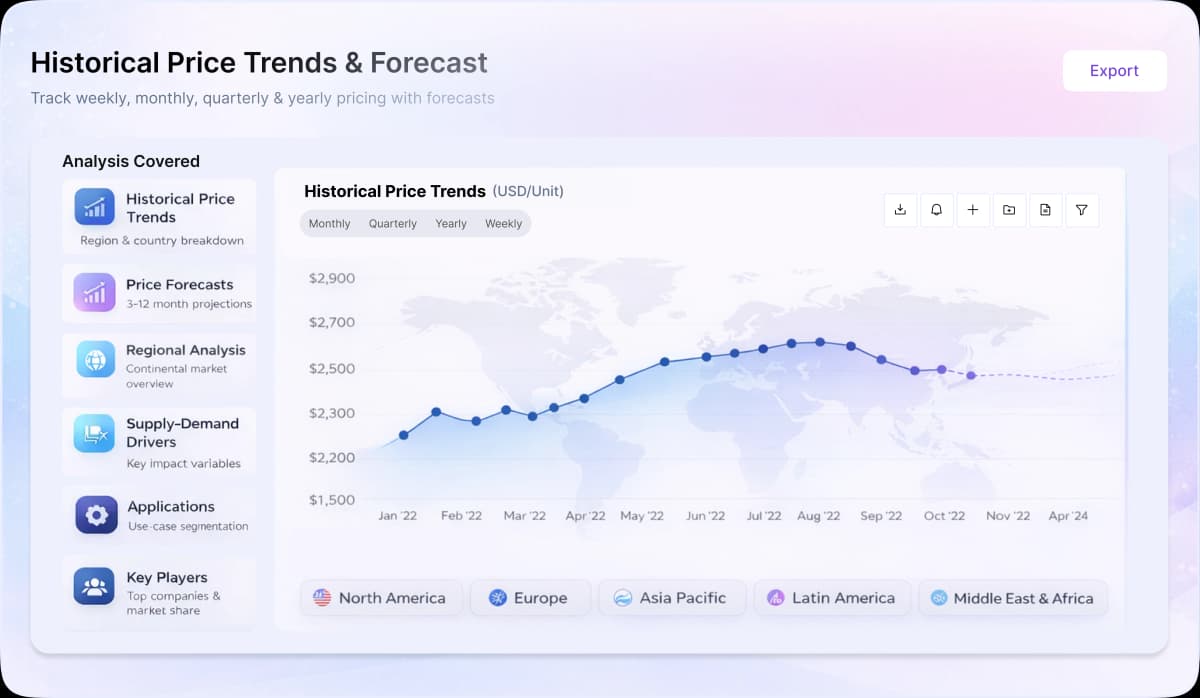
- Fructose prices were mixed in Q1 2026, with Asia facing stronger cost and freight pressure, Europe moving cautiously, and North America staying more balanced due to domestic corn-based supply.
- Feedstock pressure came mainly from energy, freight, and logistics rather than a direct shortage of corn or sugar. Hormuz-related vessel movement fell sharply, with daily crossings dropping from 135 to fewer than 10.
- Downstream demand from beverages, processed foods, confectionery, and bakery stayed steady but selective. Buyers avoided aggressive restocking as freight risk, energy costs, and sweetener substitution shaped procurement.
In Q1 2026, fructose prices showed a mixed-to-firm trend as supply chains reacted to the Iran war and the closure of the Strait of Hormuz. Asia faced the strongest pressure because regional food and sweetener supply chains depend heavily on imported energy, packaging inputs, and ocean freight. Asia normally imports around 4 million metric tons, or 36 million barrels, of Middle East naphtha each month, while South Korea sources 54.0% of its naphtha through Hormuz, raising processing and logistics risk for corn sweetener producers. Europe moved cautiously as freight disruption and energy-linked manufacturing costs affected food ingredient supply chains, though sweetener availability remained sufficient. North America stayed comparatively stable because corn wet-milling supply was local, and Gulf Coast logistics improved, with chemical container exports rising 12.0% in March and 20.0% surge capacity available.