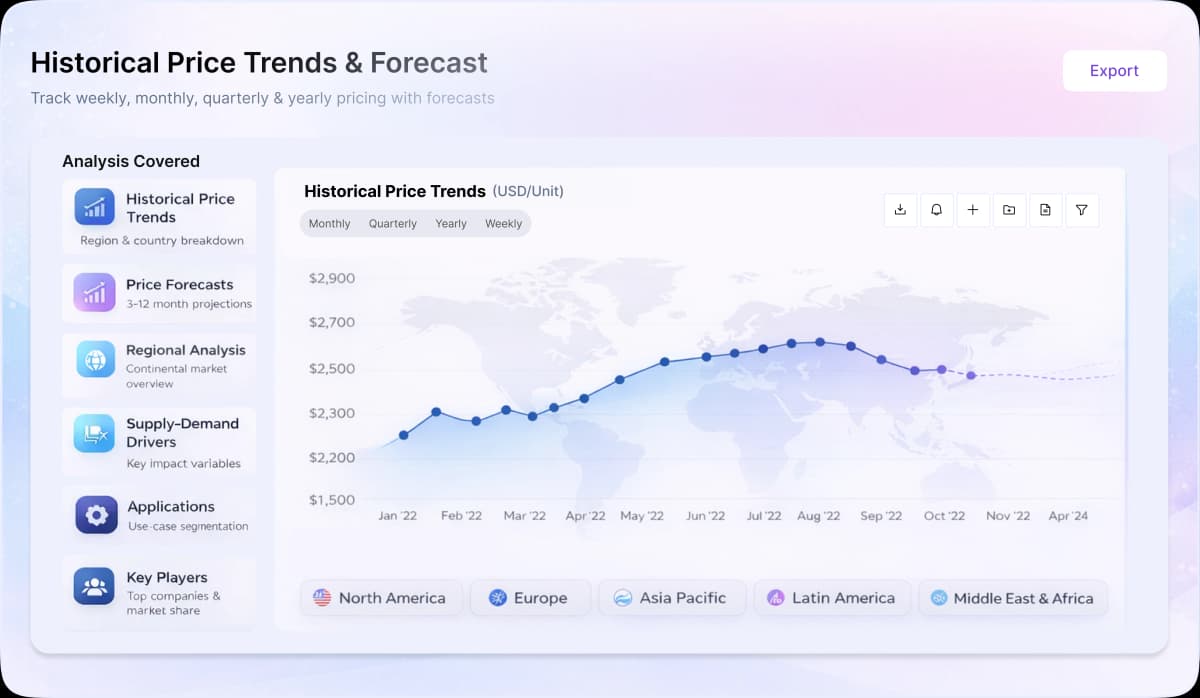
- LDPE prices peaked early in Q2 2026 on Middle East supply disruption, then softened through May and June as panic buying ended and supply gradually recovered.
- Volatile crude oil and sharply higher ethylene costs lifted production expenses in April, but weaker feedstock support later in the quarter eased cost pressure on producers.
- Converters bought ahead in April, then cut purchases and stock levels as agricultural film demand entered its off-season and pre-holiday buying slowed.
Asia
In China, LDPE prices stayed high but consolidated in April, as fears over the Hormuz closure kept crude volatile. However, crude’s support weakened as producer inventories built up and buyers resisted high prices. Delays to Middle East shipments pushed overseas buyers toward Chinese supply, with China’s April polyethylene exports rising to 545,100 tonnes, up 168.9% from March, while imports fell sharply. Prices eased in May as domestic plants restarted and operating rates climbed to 76.05%. Agricultural film demand also slowed with the start of the off-season, and LDPE showed the widest price swings among polyethylene grades.
Europe
European polyethylene, including LDPE, surged into April as the Middle East conflict disrupted feedstock markets, limited ethylene availability and cut output, while converters bought ahead. In May, ethylene costs rose again, but some contracts rolled over as panic buying faded, order intake fell and supply improved. In June, the ethylene contract fell for the first time in four months, and polyethylene prices dropped by more than the monomer, as weak pre-holiday demand, ample supply and returning Asian imports pressured the market.
North America
North American polyethylene prices rose in April, as producers secured the full increase they had sought. Global LDPE supply was in deficit, partly because less Iranian material reached Southeast Asia and China, and domestic plants ran at maximum rates to meet strong export demand. Momentum faded in May and June, as further increases were only partly accepted and rising Chinese exports cut into North American export volumes and spot prices.