Oil Prices Rise, Fueling Inflation Concerns
Crude oil prices are rising, adding pressure to domestic inflation. The volatility is expected to continue influencing commodity market trends.

Crude oil prices are rising, adding pressure to domestic inflation. The volatility is expected to continue influencing commodity market trends.
The conflict between the U.S., Israel and Iran has disrupted oil flows through the Strait of Hormuz, pushing up crude oil prices. Higher crude costs have lifted gasoline and diesel prices, contributing to broader inflation. Supply constraints are expected to keep prices elevated until mid‑2027.
Pentanol prices during 2025 followed a fluctuating trajectory, largely aligned with movements in upstream crude oil markets. In the early part of the year, prices declined as crude oil values softened, leading to reduced production costs and easing pressure on manufacturers. Supply remained sufficient amid steady plant operating rates, while downstream demand from solvents, plasticizers, and pharmaceuticals showed moderate uptake.
As the year progressed, pentanol prices exhibited intermittent recovery, supported by periods of strengthening crude oil trends. Rising feedstock costs translated into higher production expenses, prompting suppliers to adjust offers. Trade activity improved during these phases, with buyers advancing procurement to secure volumes amid anticipated cost pass-throughs. However, the market did not sustain continuous upward momentum, as demand remained balanced rather than expansive. In the latter part of the year, pentanol prices softened again, reflecting a decline in crude oil benchmarks and stable inventory levels across key regions. Export activity remained measured, while domestic consumption maintained a consistent pace. Market participants largely operated on a need-based purchasing strategy, limiting sharp price swings despite feedstock variability.
Analyst Insight
According to Procurement Resource, in the near term, pentanol prices are expected to track crude oil movements closely. Demand conditions are likely to remain stable, with limited volatility anticipated.
Related Report
Need Latest Pentanol Prices?
Get real-time price assessments, periodic trends, forecasts and price driver insights across key global markets.
Our Clients


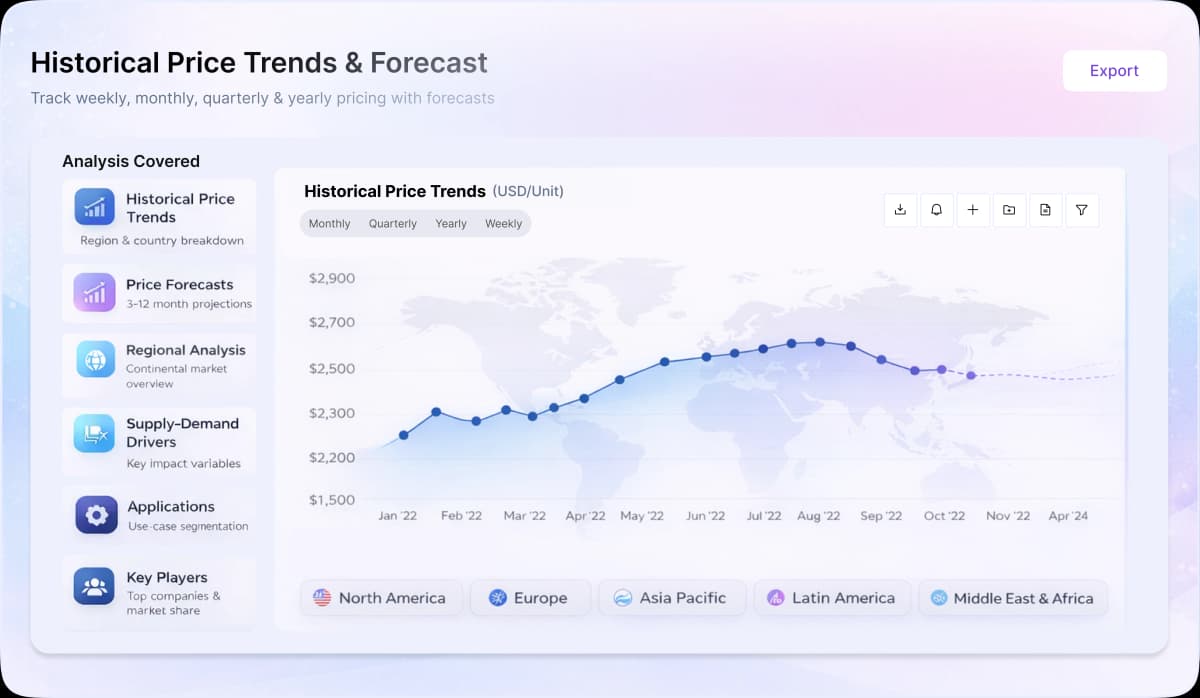
Turn price intelligence into action with the Procurement Resource Database. Log in or subscribe to unlock live price trends, historical charts, supplier databases, cost curves, and analyst-backed insights across chemicals, agriculture, energy, packaging, and more. Use these tools to benchmark your contracts, plan budgets with confidence, and stay ahead of market moves on every product you buy.
0
+Products
0
+Regions
0
+Subscriptions
The Pentanol market in the United States experienced fluctuations in 2024, influenced by crude oil prices in the upstream market. Prices remained relatively stable at the beginning of the year, but as the year progressed, rising crude oil prices in the upstream sector drove an upward trend. Strong demand from the solvents, coatings, and plasticizers sectors further supported this increase. However, significant supply disruptions amid geopolitical uncertainties pushed prices higher in the second quarter. Production and freight costs also rose, contributing to elevated commodity prices. Despite relatively low demand from industrial sectors, prices continued to climb.
As the year transitioned into the third quarter, prices declined as supply disruptions eased. The market continued to stabilize in the fourth quarter as crude oil prices fell amid oversupply. Additionally, demand decreased due to the seasonal slowdown. However, some upticks in demand were observed due to pre-festive stocking. By the end of the year, the market had settled at a lower level, as refiners adjusted to lower feedstock costs and faced fewer orders.
Pentanol or amyl alcohol is known as an organic compound. It is a colourless liquid with density of 0. 8247 g/cm3. It is slightly miscible in water, but easily soluble in organic solvents. It possesses a characteristic strong smell and a sharp burning taste. In its pure form, it is nontoxic, while the impure product is toxic. On passing its vapour through a red-hot tube, it decomposes with acetylene, ethylene, propylene, and other compounds.
C5H12O
Pharmaceuticals, Solvent, Herbicides, Antioxidants, Cosmetics, Extractants
1-Pentanol, Pentan-1-ol, Amyl alcohol, N-Amyl alcohol
BASF SE, Ernesto Ventós, S.A, Acros Organics, Penta Manufacturing Company, Central Drug House
CurrencyUS$ (Data can also be provided in local currency)
Supplier Database AvailabilityYes
Customization ScopeThe report can be customized as per the requirements of the customer
Post-Sale Analyst Support360-degree analyst support after report delivery
Note: Our supplier search experts can assist your procurement teams in compiling and validating a list of suppliers indicating they have products, services, and capabilities that meet your company's needs.
In order to produce Pentanol via Fractional distillation, the mixed alcohols produced after the chlorination and alkaline hydrolysis of pentane is utilised, which finally leads to the formation of Pentanol.
Our Price Analysis Methodology

AVP - Strategy and Solutions
Leading procurement research solutions across chemicals, materials, and food & beverages, with expertise in price forecasting and market analytics.

Experience how Procurement Resource transforms raw material price data into clear, decision ready intelligence. Optimise your performance with reliable, expert market data and analysis. Schedule your demo today to experience a live walk-through where our experts will showcase interactive price charts, forecasted prices, and insights driving the prices for your key commodities, tailored to your workflows. Contact us now!
Our Team will be happy to assist you
We are just a text away
Still Need Help?
This report presents a detailed cost analysis of diesel production from crude oil using the fractional distillation.
This report presents a detailed cost analysis of biodiesel production from fat or vegetable oil using transesterification.
Unlock full access to Procurement Resource's price databases, interactive charts, and short-term forecasts for thousands of commodities. Elevate your sourcing decisions by comparing prices across regions, downloading historical data, and layering in analyst-backed insights, all with our flexible plans that scale as your portfolio grows.
Still have any Questions
Contact Us



Price Trend Dashboard - What's Included
Price trends across a diverse portfolio of categories and products, spanning board to niche chemicals
Coverage extendable to grade-specific chemicals based on procurement requirements
Regular price tracking supported by robust historical datasets
News, policy updates, and key market drivers impacting price movements
Short-term and long-term price outlooks and forecasts
Supply–demand dynamics and capacity-driven market analysis

Track prices, market movements, supply-demand dynamics, and industry developments across hundreds of commodities through a centralized intelligence platform built for informed procurement decisions.

Understand market fluctuations using analyst-backed forecasts, historical pricing patterns, and evolving industry trends to strengthen sourcing strategies and budget planning.

Leverage cost models, pricing benchmarks, and procurement insights to evaluate purchasing opportunities, improve negotiations, and enhance operational efficiency.
Access region-specific price trends, trade activities, capacity changes, and supply chain developments influencing commodity markets worldwide.