Renewed fighting between US and Iran has slowed shipping through the Gulf of Hormuz, disrupting supply routes. Benchmark crude prices have climbed sharply from pre-conflict levels, reflecting heightened geopolitical risk. The upward price pressure is likely to continue while tensions persist.
Polypropylene (PP) Price Trend Analysis 2026: Supply Demand Analysis, Historical Prices, Price Drivers, Latest News & Market Insights
Polypropylene (PP) Price Trend Q2 2026
| Product | Region | Incoterm Basis | Price | Last Updated Month |
|---|---|---|---|---|
| Polypropylene (PP) | China | FOB | USD 1,456.00/MT | May 2026 |
| Polypropylene (PP) | USA | CIF | USD 1,575.19/MT | May 2026 |
| Polypropylene (PP) | Germany | CIF | USD 1,549.45/MT | May 2026 |
| Polypropylene (PP) | India | CIF | USD 1,523.34/MT | May 2026 |
| Polypropylene (PP) | Japan | CIF | USD 1,493.75/MT | May 2026 |
| Polypropylene (PP) | China | FOB | USD 1,431.67/MT | April 2026 |
| Polypropylene (PP) | USA | CIF | USD 1,518.67/MT | April 2026 |
| Polypropylene (PP) | Germany | CIF | USD 1,557.67/MT | April 2026 |
| Polypropylene (PP) | India | CIF | USD 1,481.67/MT | April 2026 |
| Polypropylene (PP) | Japan | CIF | USD 1,473.67/MT | April 2026 |
Stay updated with the latest polypropylene (pp) prices, historical data, and tailored regional analysis
Polypropylene (PP) Price Trend Q1 2026
- Global PP prices rose across Asia, Europe, and North America, with Asia seeing broad gains and North America a sharp rise in the USA.
- Feedstock pressure drove the increase as crude, naphtha, propane, and propylene costs strengthened after the Iran war and Strait of Hormuz closure disrupted trade flows, alongside higher freight and insurance costs.
- Downstream demand improved across packaging, films, injection molding, consumer goods, and automotive sectors, with buyers accepting higher offers amid tighter availability and rising replacement costs.
Asia
In Asia, PP prices rose strongly during Q1’26 due to higher propylene and crude-linked feedstock costs. China prices increased from ~USD 941.74/MT in January to ~USD 1,264.12/MT in March, showing a ~34.23% rise. India prices moved from ~USD 1,050.41/MT to ~USD 1,319.00/MT, up ~25.57%. Japan followed the same trend, rising from ~USD 983.92/MT to ~USD 1,300.00/MT, a ~32.13% increase. The Strait of Hormuz closure affected Middle East polymer and feedstock cargo movement into Asia, lifting import replacement costs. Demand from packaging, raffia, films, and injection-molded goods supported firm buying.
Europe
In Europe, PP prices increased during Q1’26 as feedstock and logistics costs strengthened. Germany prices rose from ~USD 1,063.38/MT in January to ~USD 1,346.00/MT in March, recording a ~26.58% increase. The rise was mainly driven by higher crude, naphtha, and propylene cost pressure after the Iran war disrupted energy trade routes. Downstream demand from packaging, automotive parts, and consumer goods remained steady, allowing producers to pass on higher costs.
North America
In North America, PP prices also moved upward in Q1’26. USA prices increased from ~USD 1,027.12/MT in January to ~USD 1,351.00/MT in March, reflecting a ~31.53% rise. Feedstock pressure from crude, propane, and propylene supported the increase, while higher global freight costs lifted replacement values. Demand from packaging, injection molding, and industrial applications remained firm.
Analyst Insight
According to Procurement Resource, near-term PP prices are likely to remain firm if crude, propylene, freight, and Middle East supply risks persist. A correction may occur if energy markets stabilize and downstream buyers reduce restocking.

Related Report
Need latest Polypropylene (PP) price?
Get real-time price assessments, periodic trends, forecasts and price driver insights across key global markets.
Unlock Price Insights NowLatest Developments
Intensified US-Iran military actions disrupt oil shipments through the Strait of Hormuz, causing a sharp spike in crude oil prices. The price jump leads to severe depreciation of the Indian rupee, raising import costs and inflationary concerns.
The IEA expects world oil demand to decline year-on-year for the first time since 2020, driven by the Iran war and Strait of Hormuz closure. Prices have eased on prospects of a surplus late in 2026, but renewed hostilities threaten supplies and introduce volatility.
Despite a sharp 14% week-on-week decline in Brent crude and falling Asian naphtha, polypropylene export prices in Asia and Middle East stayed flat, with China-domestic prices easing only slightly. This indicates resilient pricing in the polymer complex, with PP refusing to follow feedstock lower.
Our Clients
Procurement Resource Database

Turn price intelligence into action with the Procurement Resource Database. Log in or subscribe to unlock live price trends, historical charts, supplier databases, cost curves, and analyst-backed insights across chemicals, agriculture, energy, packaging, and more. Use these tools to benchmark your contracts, plan budgets with confidence, and stay ahead of market moves on every product you buy.
Polypropylene (PP) Dashboard Inclusions

0
+Products
0
+Regions
0
+Subscriptions
Asia
In Asia, Polypropylene prices dropped in the second half of 2025. China produced a lot of PP and became self-sufficient, which increased exports and created more supply in the region. Japan also had too much PP in stock because shipments to the U.S. were redirected back to local markets due to tariffs. Downstream demand from packaging and other industries was weak. Producers had enough material and inventories were high, so they offered discounts. Some costs like propylene and naphtha increased slightly, but they were not enough to stop prices from falling. Overall, the market in Asia stayed oversupplied and prices moved down.
Europe
In Europe, PP prices were mostly flat but showed slight declines in late H2’25. Some factories reduced operating rates and the restart of plants that were under force majeure added more supply to the market. Demand remained weak, especially from packaging and consumer goods sectors. Buyers were cautious and often waited for better deals. Imports from Asia and the Middle East were still active, which added competition. Overall, supply exceeded demand, keeping prices stable or a bit lower.
North America
In North America, PP prices were mixed but slightly down overall. Some plants restarted after maintenance, while others faced equipment problems, keeping supply tight in certain areas. Demand from automotive, packaging, and construction remained weak. Buyers were cautious because consumer confidence was low and some industries slowed down. Even with upcoming new capacities, prices stayed mostly flat to slightly lower, as supply and demand were balanced but demand stayed weak.
About Polypropylene (PP)
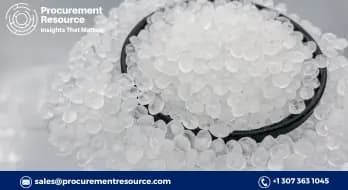
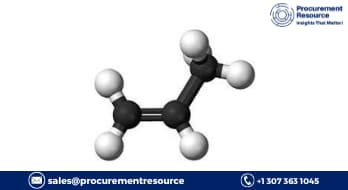
Polypropylene or PP is basically a thermoplastic polymer that is utilised in a wide variety of applications. It is prepared via chain-growth polymerisation from the monomer propylene. Polypropylene belongs to the group of polyolefins and is partially crystalline as well as non-polar. Its characteristics are similar to that of polyethylene, but it is slightly harder and more heat resistant.
Polypropylene (PP) Product Detail
Packaging, Engineering plastic, Plastic parts
Polypropene, 9003-07-0, Polipropene 25 [USAN], Propene polymers, Propylene polymers
LyondellBasell Industries Holdings B.V., SABIC, Exxon Mobil Corporation, DuPont de Nemours, Inc., INEOS Capital Limited., Total S.A., Formosa Plastics Corporation, LG Chem Ltd., Sumitomo Chemical Co., Ltd., Eastman Chemical Company, BASF SE, Braschem S.A., Borealis AG, PetroChina Company Limited, Reliance Industries Limited, Sasol Limited, Sinopec Zhenhai Refining & Chemical Co.
Regional Coverage
Asia Pacific
Europe
North America
Latin America
Africa
CurrencyUS$ (Data can also be provided in local currency)
Supplier Database AvailabilityYes
Customization ScopeThe report can be customized as per the requirements of the customer
Post-Sale Analyst Support360-degree analyst support after report delivery
Note: Our supplier search experts can assist your procurement teams in compiling and validating a list of suppliers indicating they have products, services, and capabilities that meet your company's needs.
Polypropylene (PP) Production Processes
- Polypropylene Production via Gas Phase Polymerisation; via Slurry Polymerisation; and via Bulk Polymerisation.
In the gas phase polymerisation process, propene is passed over heterogeneous catalyst particles to finally produce polymer in a powdered form, which is further transformend into pellets.
About the Author

Shriya Singh
Business Insights Analyst
Helping procurement and sourcing teams navigate complex markets through data-driven research, category intelligence, and actionable insights - with a focus on identifying market trends, analyzing supply-side developments, and delivering clear intelligence that supports informed business decisions.
Our Price Analysis Methodology

Schedule a demo
Experience how Procurement Resource transforms raw material price data into clear, decision ready intelligence. Optimise your performance with reliable, expert market data and analysis. Schedule your demo today to experience a live walk-through where our experts will showcase interactive price charts, forecasted prices, and insights driving the prices for your key commodities, tailored to your workflows. Contact us now!
Our Team will be happy to assist you
We are just a text away
Still Need Help?
Other Related Reports
Polypropylene Production through Bulk Polymerisation
The report is the study of economics of polypropylene production by bulk polymerization method.
Unlock full access to Procurement Resource's price databases, interactive charts, and short-term forecasts for thousands of commodities. Elevate your sourcing decisions by comparing prices across regions, downloading historical data, and layering in analyst-backed insights, all with our flexible plans that scale as your portfolio grows.
Still have any Questions
Contact Us


Price Trend Dashboard - What's Included
Price trends across a diverse portfolio of categories and products, spanning board to niche chemicals
Coverage extendable to grade-specific chemicals based on procurement requirements
Regular price tracking supported by robust historical datasets
News, policy updates, and key market drivers impacting price movements
Short-term and long-term price outlooks and forecasts
Supply-demand dynamics and capacity-driven market analysis
Related News
View All
Rising costs of propylene, polypropylene, and PVC can add to the tension of the Indian plastics Industry

Propylene And Polypropylene Prices Edge Lower In Europe Due To Poor Offtake From Downstream Industries
.webp&w=1080&q=75)
Benzene and Styrene Prices are likely to be volatile in Q1 of 2023 after short supply from the United States