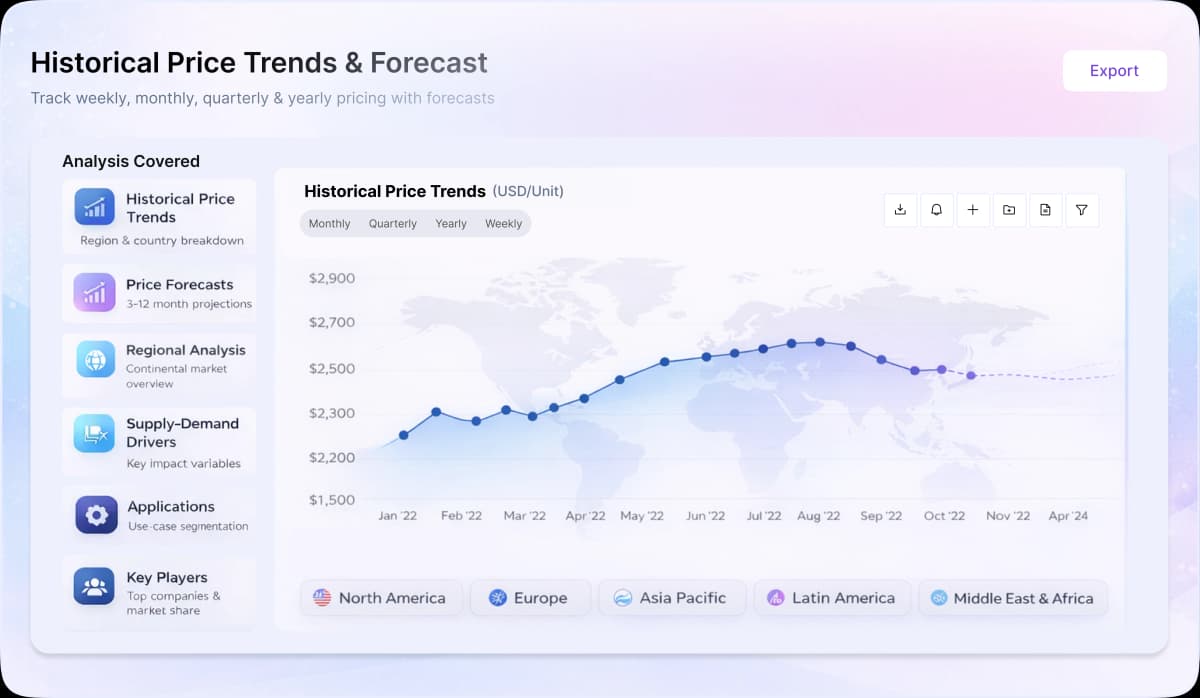
In 2024, red wine prices moved through a year of contrasts, shaped by shifting demand, supply chain dynamics, and weather-related vineyard impacts. Early in the year, pricing remained steady, supported by solid inventory from the 2023 harvest. However, by midyear, changes began to take shape. Consumer demand for bold reds picked up slightly in both retail and export markets, especially in regions known for fuller-bodied wines.
Adverse weather events, including heatwaves and drought conditions in several wine-producing regions like Napa and parts of Europe, led to smaller grape yields. This put upward pressure on production costs, though not all of it was transferred to consumers. Larger wineries leveraged economies of scale to keep retail prices relatively stable, while smaller producers faced tighter margins and adjusted prices selectively based on vintage quality and brand strength.
E-commerce continued to be a strong channel for red wine sales, but footfall in physical tasting rooms remained below pre-pandemic levels. This mix prompted pricing segmentation—premium red wines held their value or increased slightly, while mid-range and bulk wines saw more aggressive promotions to keep inventory moving.