
Prakhar Panchbhaiya
Assistant Manager: Business Insights and Content
Supporting procurement teams with category intelligence, market research, price trends, supply-demand analysis, and strategic sourcing insights across key industries.
Last Updated: November, 2026

Trusted by 200+ Clients
The report provides detailed analysis essential for establishing a furfuryl mercaptan production plant. It encompasses all critical aspects necessary for furfuryl mercaptan production, including the cost of furfuryl mercaptan production, furfuryl mercaptan plant cost, furfuryl mercaptan production costs, and the overall furfuryl mercaptan production plant cost. Additionally, the study covers specific expenditures associated with setting up and operating a furfuryl mercaptan production plant. These encompass production processes, raw material requirements, utility requirements, infrastructure needs, machinery and technology requirements, manpower requirements, packaging requirements, transportation requirements, and more.
Furfuryl mercaptan is an important aroma compound widely associated with the characteristic smell of roasted coffee. This sulfur-containing organic compound is derived from the furan chemical family and is also known as 2-furanmethanethiol, furfuryl thiol, and coffee mercaptan. Its production is closely linked to the processing of furfuryl alcohol and other furan-based intermediates. The compound is valued mainly for its role in developing and enhancing roasted, coffee-like aroma profiles. It is used in the flavor and fragrance industry, particularly in coffee flavor formulations and food applications where roasted notes are required. Commercial production involves controlled chemical processing, followed by purification, quality testing, and suitable packaging to maintain product consistency. Its demand is largely supported by the food flavoring industry and the growing use of specialty aroma ingredients in processed food and beverage products.
Furfuryl mercaptan supply is mainly handled by chemical suppliers and laboratory reagent companies rather than large flavor manufacturing plants. A furfuryl mercaptan demand and supply analysis considers supplier availability, product grades, bulk pricing, and demand from the coffee flavor industry. One chemical directory lists around 350 suppliers worldwide, including 200 in China, 77 in the United States, 20 in the United Kingdom and 8 in Germany. However, most suppliers offer the material in small quantities for laboratory use rather than in bulk. Larger quantity quotations are mainly available from Chinese traders. One supplier reports a supply capacity of 10 metric tons with a minimum order quantity of 1 kilogram. Buyers generally check product purity, natural or synthetic origin, disulfide content, packaging, and minimum order requirements before selecting a supplier. Supplier records also include audit reports, product specifications, batch details, odor test results, packaging information, and records of any production changes.
Furfuryl mercaptan demand is mainly driven by its use in coffee flavoring and savory food formulations. It has an extremely low detection threshold of around 0.005 to 0.01 parts per billion, meaning that even very small quantities can produce a noticeable aroma. At higher concentrations, it gives sulfur-like, roasted, onion, garlic, and coffee notes. It is found in roasted chicken, cooked beef, grilled pork, sesame oil, coffee and popcorn, and is also identified in corn tortilla chips. Demand therefore depends on coffee flavor production, savory food applications, regulatory requirements, and customer preference for naturally sourced ingredients. Purchase requirements generally specify packaging size, product grade, shelf life, delivery schedule, country-specific registration and price per kilogram.
Furfuryl mercaptan is available in different grades based mainly on its purity. Commercial suppliers offer purity levels of 95%, 97%, above 98%, and 99%. Food-grade material is sold separately, with some suppliers offering both natural and synthetic versions. Disulfide content is an important quality parameter because the compound reacts with oxygen in the air and forms a disulfide during storage. Quality checks generally cover purity, disulfide content, appearance, refractive index, density, and odor. Batch certificates record these results to confirm that the material meets the required specifications.
Another important difference between grades is whether the material is natural or synthetic. Some suppliers offer synthetic food-grade furfuryl mercaptan at around USD 217 per kilogram, while natural food-grade material is quoted at approximately USD 723 per 100 grams. This makes the natural version considerably more expensive, even though both contain the same chemical compound. The difference mainly comes from the origin of the raw materials and the documentation required to support a natural claim. Buyers therefore check the source of the feedstock, production method, certification, isotope test results, and supporting documents before accepting the natural designation.
Handling and packaging also influence the commercial grade of furfuryl mercaptan. The material is classified as a flammable liquid and carries hazard warnings for fire and toxicity. It is sensitive to air exposure and may undergo unwanted reactions when heated in the presence of mineral acids. For transportation, it is classified under Class 3 flammable liquids, Packing Group III, with limited quantity provisions generally allowing packages up to 5 liters. Packaging requirements include suitable container materials, inert gas in the headspace, secure closures, controlled filling levels, and protection from light. Storage records generally track container quantity, headspace gas, temperature, stock age, seal condition, and release dates.
Furfuryl mercaptan is mainly used in coffee flavoring because it contributes to the characteristic aroma of roasted coffee. It is an important ingredient in coffee flavor formulations and helps create the familiar smell of freshly roasted beans. In its pure form, the compound has a strong and unpleasant smell, but its coffee-like aroma becomes noticeable when diluted. For this reason, flavor manufacturers generally prepare diluted solutions before using it in formulations. A common preparation uses a 0.1% solution in dipropylene glycol. Coffee flavor production requires careful control of dilution, carrier selection, dosage, oxidation and sensory testing. Production records generally include dilution ratios, carrier details, quantity used, batch age, sensory test results and shelf life.
Furfuryl mercaptan is also used in savory and roasted food flavors. It contributes roasted, meaty, and sulfur-like notes to products such as chocolate, fruit, nuts, coffee, meat-based flavors, and popcorn. In savory formulations, it helps reproduce the aroma developed during cooking and roasting, particularly in meat products. Since very small quantities can produce a strong aroma, its dosage must be measured accurately. Food flavor manufacturers therefore control the concentration, balance of sulfur notes, carrier stability, and interaction with other flavor ingredients. Production records include the concentration of the prepared solution, quantity added, dilution stages, carrier batch, mixing time and final quality checks.
Another application of furfuryl mercaptan is in perfumery and laboratory research. It is listed as a perfuming ingredient in cosmetic applications, although its use is limited because of its strong smell. It is also supplied as a reference material for laboratory testing, including aroma detection studies and analytical method development. Researchers have studied its role as a possible trigger of parosmia, a condition in which familiar smells are perceived differently, following viral infections. Laboratory applications include odor threshold testing, analytical method validation, gas chromatography, and sensory studies. Reference material is generally supplied with details such as chemical formula, purity, storage conditions, expiry date, and handling instructions.
Furfuryl mercaptan requires careful handling because of its toxicity and flammability. Safety classifications identify risks from swallowing, skin contact, and inhalation. Some toxicological studies have also reported harmful effects through specific exposure routes and possible reproductive effects in experimental settings. Heating the compound until it decomposes can release sulfur oxides, which are harmful gases. Handling therefore requires suitable protective equipment, including safety goggles, face protection, gloves and appropriate respiratory protection. Manufacturers must also control vapor exposure, prevent direct skin contact and maintain suitable procedures for spills and accidental releases. Safety records generally include worker exposure details, respirator inspections, spill reports, training records and incident reports.
Another major risk comes from the chemical instability of furfuryl mercaptan. When exposed to air, it gradually reacts with oxygen and forms the corresponding disulfide. This reaction can cause changes in color and reduce product quality, making protection from air exposure important during storage and transportation. The compound can also polymerize when heated in the presence of mineral acids, which limits the conditions used during production and further processing. Since its main commercial value comes from its specific aroma, even small changes in odor can make a batch unsuitable for its intended application. Manufacturers therefore monitor oxidation, container conditions, storage temperature, and shelf life. Quality records generally track disulfide formation, color changes, odor quality, storage conditions, packaging type, and product age.
Furfuryl mercaptan is produced by reacting furfuryl alcohol with thiourea in hydrochloric acid to form an intermediate salt. This salt is then treated with sodium hydroxide to release the final thiol, which is separated, purified by distillation, and packed under inert conditions to prevent oxidation.
Furfuryl mercaptan is produced by reacting furfuryl alcohol with thiourea in the presence of hydrochloric acid to form an isothiouronium salt intermediate. This intermediate undergoes alkaline cleavage when treated with sodium hydroxide, releasing furfuryl mercaptan. The reaction involves the replacement of the hydroxyl group of furfuryl alcohol with a mercapto group through the formation and subsequent breakdown of the sulfur-containing intermediate. Production control covers the purity of furfuryl alcohol and thiourea, hydrochloric acid concentration, reagent proportions, reaction temperature, alkali addition rate and reaction time. These parameters influence conversion, product yield and the formation of unwanted sulfur-containing by-products.
The crude furfuryl mercaptan is separated from the reaction mixture and subjected to purification to obtain the required product quality. Suitable separation operations include solvent extraction or distillation, followed by drying and vacuum distillation. These stages help remove residual furfuryl alcohol, thiourea-derived impurities, inorganic salts, difurfuryl disulfide and other sulfur-containing by-products. Vacuum distillation is particularly important because it allows the product to be purified at a lower temperature, limiting thermal exposure and reducing the risk of oxidation or decomposition. Final quality control covers product purity, residual moisture, sulfur-containing impurities and distillation performance. The purified product is transferred into tightly sealed containers under controlled storage conditions to minimise contact with air and maintain its quality during storage and transportation.
Furfuryl mercaptan production cost mainly depends on the price of furfuryl alcohol and thiourea. Furfuryl alcohol is produced from furfural, which is obtained from agricultural materials such as corn cobs and other plant residues rather than petroleum. Thiourea, hydrochloric acid and sodium hydroxide are relatively inexpensive raw materials. However, production costs can increase because the process requires careful handling, air protection, and specialized storage. Major cost components include furfuryl alcohol, thiourea, hydrochloric acid, sodium hydroxide, nitrogen gas and packaging materials. Cost calculations generally consider raw material consumption, inert gas use, and container expenses.
Processing costs mainly come from purification and odor control. Vacuum distillation is important for separating furfuryl mercaptan from impurities and obtaining the required purity. The process requires controlled heating to prevent unwanted reactions and product loss. Odor control also adds to operating expenses because the compound can be detected at extremely low concentrations. Production facilities may therefore require suitable ventilation, gas scrubbing systems, and separate treatment of exhaust gases. Other operating costs include heating, vacuum generation, nitrogen consumption, waste treatment and quality testing. Production efficiency also depends on the yield of intermediate salt formation, conversion during hydrolysis, distillation recovery and losses during packaging.
Furfuryl alcohol is the main raw material used in furfuryl mercaptan production. It is generally purchased based on its purity, moisture content, acidity, and color. These parameters are important because excess acidity can encourage unwanted polymerization during processing. Furfuryl alcohol is produced from furfural, which is obtained by processing agricultural residues such as corn cobs, bagasse and oat hulls. This gives the raw material supply chain a strong connection with agricultural production. It also supports the use of naturally sourced feedstock when manufacturing natural-grade furfuryl mercaptan. Procurement checks generally include supplier details, product purity, moisture, acidity, color, and transportation conditions.
Other raw materials and processing materials include thiourea, hydrochloric acid, sodium hydroxide and oxalic acid. Zinc or aluminium may also be required when the disulfide reduction route is used. Solvents such as toluene and ether are used during extraction and purification, while drying agents help remove moisture from the product. Nitrogen is required to protect the material from air exposure during processing and storage. Amber glass bottles and suitable lined steel containers are used for packaging. Procurement planning therefore covers the regular supply of the main raw material, sulfur-containing reagents, acids, bases, solvents, inert gas and packaging materials.
Furfuryl mercaptan production requires strict odor control because even small releases can cause complaints over a wide area. Although production volumes are relatively low, untreated gases from the plant can spread a strong smell into nearby areas. Sulfur-containing gases from the process are treated using sodium hypochlorite or caustic solutions, or destroyed through controlled burning, before release. Wastewater may contain sulfides, chlorides, and urea from the reaction process, so it requires treatment before discharge. Major waste streams include exhaust gases, scrubber liquids, wastewater, used solvents, distillation residues and disulfide by-products. Environmental monitoring generally covers sulfide levels, chloride content, chemical oxygen demand, suspended solids, odor levels, and incineration residues.
Furfuryl mercaptan is mainly regulated under food flavoring and chemical safety requirements rather than pharmaceutical regulations. It carries FEMA number 2493 and JECFA number 1072. It is also listed as 13.026 in the European flavoring register and is included among substances added to food under US food regulations. In addition to these food-related requirements, manufacturers must follow chemical inventory, transportation, and workplace safety rules. Regulatory compliance covers flavoring approval, product purity, chemical inventory registration, transport classification, allergen information, and customer documentation. Supporting records generally include the manufacturing process, product specifications, stability data, safety data sheets, regulatory status and manufacturing site details.
The furfuryl mercaptan plant setup cost mainly depends on its reaction equipment, purification system, and odor control facilities. The production area requires closed reactors with nitrogen supply and sealed transfer systems to limit air exposure. Glass-lined vessels are used for intermediate salt formation and the subsequent reaction with sodium hydroxide. A vacuum distillation column with suitable packing and heating controls is required to purify the final product without excessive heating. Gas scrubbers, activated carbon filters, and suitable ventilation systems are also needed to control emissions. Major capital expenses include reactors, extraction vessels, distillation columns, condensers, vacuum pumps, scrubbers, nitrogen supply systems, and filling equipment.
Operating costs mainly come from raw materials, product handling, emission control and quality testing. Furfuryl alcohol and thiourea account for a major share of raw material expenses, while acids, alkalis and solvents add to processing costs. Nitrogen is also required throughout production, transfer, and packaging to protect the product from oxidation. Regular testing and sensory evaluation increase operating expenses because each batch requires purity checks and odor testing by trained personnel. Other operating expenses include equipment maintenance, scrubber materials, quality control, documentation, employee training, and regulatory audits.
Furfuryl mercaptan production is mainly influenced by the availability of furfural and the ability to manage strong odors. China is an important location because it has 200 of the 350 suppliers listed in chemical directories and a large furfural production base. The United States has 77 listings, while the United Kingdom and Germany have 20 and 8, respectively. However, most suppliers in these countries are chemical distributors and laboratory reagent companies rather than large manufacturers. Plant locations require sufficient distance from residential areas because even small releases can cause odor problems. Site selection therefore considers access to furfural, distance from nearby housing, gas treatment facilities, nitrogen supply, environmental permits and transportation facilities. Other important factors include testing facilities, emission control capacity and the availability of suitable infrastructure.
Investment decisions for furfuryl mercaptan production depend on the relatively small market and the need for specialized odor control systems. Although the basic production equipment may not require a very large investment, emission treatment, safe storage and environmental approvals can increase the overall plant setup cost. Manufacturers may find it more practical to produce furfuryl mercaptan in a dedicated section of an existing facility that handles other sulfur-based flavor ingredients. This allows them to share some equipment and support facilities. Natural-grade production may offer higher profit margins because of its much higher selling price compared with the synthetic version. Investment planning therefore considers shared equipment, emission control systems, natural-grade production capability, production schedules, product range and expected returns.
Furfuryl mercaptan supply is closely linked to furfural availability and demand from the flavor industry. China is the leading supply location, with 200 of the 350 suppliers listed in chemical directories. It also accounts for most of the available bulk supply quotations, including offers with minimum orders of around 1 kilogram. The United States has 77 listed suppliers, most of which provide laboratory quantities in small packages rather than bulk shipments. The United Kingdom and Germany together account for 28 listings and mainly serve European flavor manufacturers and chemical buyers. Japan also has an established chemical reagent supplier serving customers across Asia. Regional supply mainly depends on access to furfural, the number of available suppliers, production facilities, odor control systems, product grades, and transportation costs.
Matrix Scientific
Tokyo Chemical Industry
Alfa Aesar
Hebei Chuanghai Biotechnology
Atlantic Research Chemicals
Oakwood Chemical
Furfuryl Mercaptan Production Cost Report
Choose What's Right for You
Pay Via



| Particulars | Details |
|---|---|
| Product Name | Furfuryl Mercaptan |
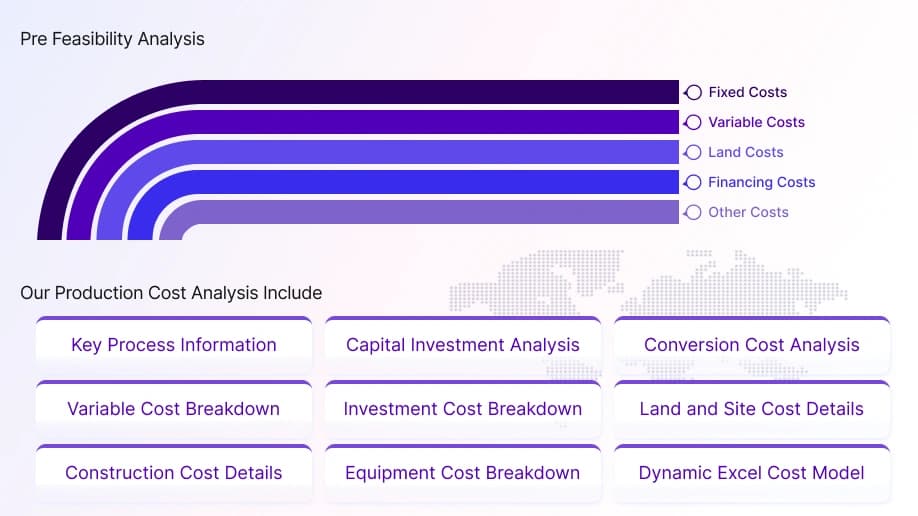
| Scope | Production Process: Process Flow, Material Flow, Material Balance Raw Material and Product Specifications: Raw Material Consumption, Product and Co-product Generation Land and Site Cost: Offsites/Civil Works, Equipment Cost, Auxiliary Equipment Costs, Contingency, Engineering and Consulting Charges, Working Capital Variable Cost: Raw Material, Utilities, Other Variable Costs Fixed Cost: Labor Requirements and Wages, Overhead Expenses, Maintenance Charges, Other Fixed Costs Financing Costs: Interest on Working Capital, Interest on Loans Other Costs: Depreciation Charges, General Sales and Admin Cost |
| Currency | US$ (Data can also be provided in the local currency) | Customization Scope | The report can be customized as per the requirement of the customer |
| Post-Sale Analysts Report | 10-12 weeks of post-purchase analyst support after report delivery for any queries from the deliverable |
| Delivery Format | PDF and Excel format through email (editable version in PPT/Word format of the report can be also provided on special request) |
At Procurement Resource, we focus on improving the should-cost of production for furfuryl mercaptan and map every stage of the route, from receipt and assay of furfuryl alcohol against assay, water content, acidity and color and of thiourea against assay, ash and insoluble matter, through charging of the alcohol with thiourea into aqueous hydrochloric acid under nitrogen, formation and isolation of the S-furfurylisothiouronium chloride intermediate, alkaline cleavage of that salt by heating with sodium hydroxide solution to liberate the thiol and release urea, cooling and acidification of the reaction mass under inert blanket, phase separation and extraction of the crude thiol into an organic solvent, washing to remove residual caustic and chloride, drying over a suitable desiccant, solvent recovery under reduced pressure, gentle fractional distillation under vacuum with a packed column to separate the thiol from its symmetrical disulfide, polysulfides and free sulfur while avoiding the polymerization that mineral acid and heat together provoke, collection of the specified boiling cut, immediate blanketing of the product with nitrogen, filling into amber glass or lined steel containers with oxygen scavenging closures, and release testing for assay by gas chromatography, disulfide content, refractive index, density, appearance and sensory conformity against a reference, alongside the dilution route into tenth percent solutions in dipropylene glycol for flavor compounding.
Alongside the cost build-up, the report identifies technology providers for glass lined and stainless reaction vessels with nitrogen blanketing and sealed charging systems, corrosion resistant acid dosing and caustic dosing equipment, jacketed cleavage reactors with reflux and controlled heating, acid resistant quench and neutralization tanks, phase separation and extraction vessels with closed transfer, solvent recovery systems operating under reduced pressure, packed vacuum fractionation columns with low pressure drop internals and gentle reboilers, vacuum pump sets with sulfur tolerant seals and condensate collection, chilled condensers and receivers under inert gas, caustic and hypochlorite vent scrubbers with activated carbon polishing beds, thermal oxidizers for sulfur bearing off gas with sulfur dioxide abatement, sulfide bearing effluent treatment, nitrogen generation and distribution systems, amber glass and lined steel filling lines with headspace gas control and oxygen scavenging closures, odor monitoring instruments for fence line measurement, and analytical equipment for gas chromatography with sulfur selective detection, refractometry, density determination, disulfide quantification and sensory panel facilities, and offers a supplier database for furfuryl alcohol, furfural, thiourea, hydrochloric acid and extraction solvents.
Assistant Manager: Business Insights and Content
Supporting procurement teams with category intelligence, market research, price trends, supply-demand analysis, and strategic sourcing insights across key industries.
Need more help?

Still Need Help?
Compare & Choose the Right Report Version for You
How to Order Your Report?