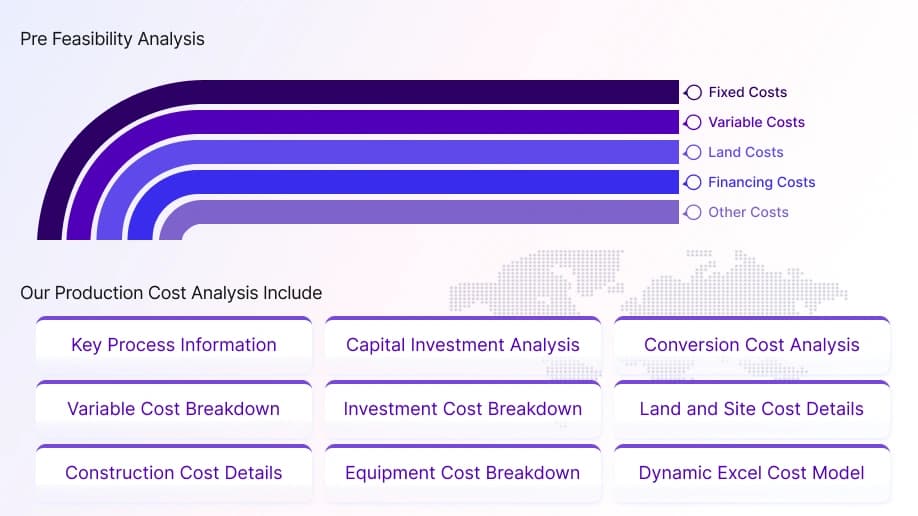
The report provides a detailed analysis essential for establishing an instant noodles production plant. It encompasses all critical aspects necessary for instant noodles production, including the cost of instant noodles production, instant noodles plant cost, instant noodles production costs, and the overall instant noodles production plant cost. Additionally, the study covers specific expenditures associated with setting up and operating an instant noodles production plant. These encompass production processes, raw material requirements, utility requirements, infrastructure needs, machinery and technology requirements, manpower requirements, packaging requirements, transportation requirements, and more.
Instant noodles are noodles categorized under ready-to-eat food items. These are processed food products that are easy to cook and are affordable as well. It is produced from wheat flour that is processed and steamed. Dehydrated noodles are then packed with seasonings to add flavor, making them palate friendly.
Instant noodles are affordable, easy to cook, and fulfilling products that re highly consumed around the world. It comes with different seasonings, providing more options. It is a food product that also comes with frozen vegetables in it. It may also contain meat and no-meat options. Hence, it is one of the most consumed ready-to-eat food varieties produced in the food industry.
Instant Noodles are widely popular due to their worldwide consumption rate. As it offers consumers the necessary components like taste, nutrition, convenience, safety, longer shelf-life, and reasonable price, it is gaining traction among consumers, boosting its sales. Furthermore, lifestyle factors of buyers that are impacting the noodle demand include high demand for ready-to-eat food products, hectic schedules, rising incomes, need for instant appetizers, increasing middle-class population, longer shelf-life, and wide availability in supermarkets and hypermarkets. Also, the continuous product developments by manufacturers to offer more natural and vegan-friendly products boost the demand for instant noodles globally.
The procurement of instant noodles around the world is majorly governed by some factors including its demand in the food industry, along with its supply and prices across the world. Hence, fluctuations in its prices, distribution, and demand under the ready-to-eat food category largely impact its overall procurement.
Raw Material for Instant Noodles Production
According to the instant noodles production plant project report, the key raw material for instant noodles production includes wheat flour, salt, palm oil, water (for the dough).
Production Process of Instant Noodles
The extensive instant noodles production cost report consists of the major industrial production process:
- From Wheat Flour: The production process of instant noodles comprises a few sequential steps. The process begins with the formation of the wheat flour dough, which is produced by mixing the wet and dry ingredients together. The dough is then passed on to the rollers, who which roll out the dough into sheets and then cut it into shapes of noodles that are steamed. The noodles are then dipped into the seasoning and processed through dehydration to obtain dry instant noodles at the end.
Instant Noodles are fried in oil, dried and sold in small packages, typically with add-ons like dried seasonings and sauces. It is a convenience food that can be made instantly. These noodles are boiled in hot water, prepared in a microwave or a stovetop and are widely popular due to their low cost and simplicity.
Instant noodles are made using processed wheat flour which also contains dried vegetables, tofu or pre-cooked meats like shrimp. It also comes with a packet of spices and powdered stock to make soups and is sold in plastic packaging or a polystyrene cup. The noodles vary in nutritional content and have high amounts of carbohydrates. Its spicy broth is usually high in sodium, and the added vegetables and meats can offer nutrients like vitamin, fibre and protein content for the entire meal.