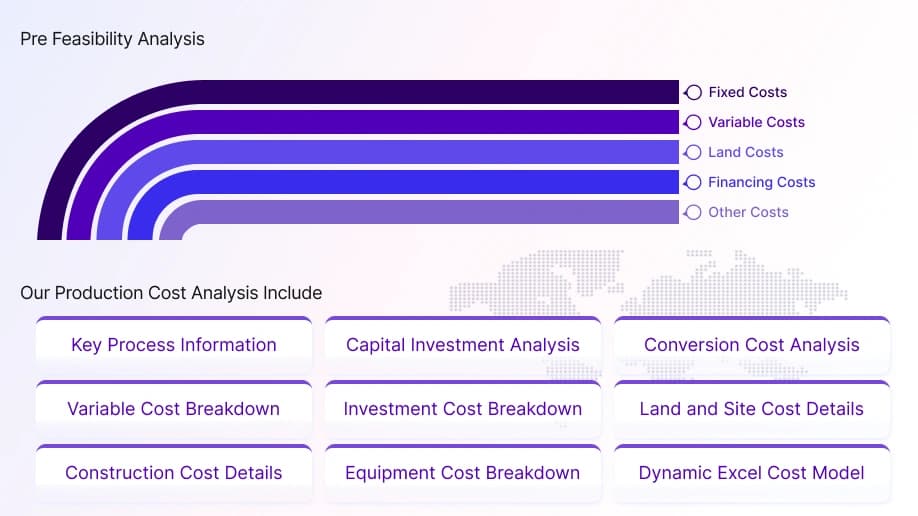
The report provides detailed analysis essential for establishing a mometasone production plant. It encompasses all critical aspects necessary for mometasone production, including the cost of mometasone production, mometasone plant cost, mometasone production costs, and the overall mometasone production plant cost. Additionally, the study covers specific expenditures associated with setting up and operating a mometasone production plant. These encompass production processes, raw material requirements, utility requirements, infrastructure needs, machinery and technology requirements, manpower requirements, packaging requirements, transportation requirements, and more.
Mometasone (Nasonex) Market Analysis: Demand and Supply Analysis, and Sourcing
Mometasone is mainly used as mometasone furoate, an ester of the drug. Schering developed it under the code name Sch-32088, and it was later sold under brand names such as Nasonex, Asmanex, and Elocon. Nasal sprays account for a major share of its use and are prescribed for allergic rhinitis and nasal polyps. The product is handled by allergy clinics, general practitioners, pharmacies, retail chains, and hospital outpatient departments. Before a product can be sold, its chemical production, formulation, delivery device, and quality testing must all meet the required standards. Depending on the formulation, mometasone is also used to treat asthma, eczema, psoriasis, and dermatitis.
Mometasone supply depends on a specialized corticosteroid manufacturing chain that has relatively few participants. Organon markets the product, with manufacturing at its Heist, Belgium, site, while Merck Sharp and Dohme holds the original drug chemistry. Hovione and Indian steroid manufacturers such as Symbiotec Pharmalab supply active ingredients to generic drug makers. Apotex introduced mometasone nasal spray for over-the-counter sale in the United States, while Perrigo sells an over-the-counter version. A demand and supply analysis must consider allergy rates, the shift towards over-the-counter sales, steroid intermediate prices, delivery device availability, and the cost of proving that a generic nasal suspension works like the original. The supply chain includes intermediates, active ingredients, micronization, suspension preparation, delivery devices, and packaging. Original brand owners, process developers, bulk ingredient makers, generic manufacturers, and retailers all contribute to the market.
Mometasone demand is seasonal on top of a steady base. Pollen seasons drive prescriptions, and labeling even recommends starting two to four weeks before the season begins. Each bottle carries only about 8500 micrograms of drug substance across 120 sprays. That tiny payload keeps the per-bottle chemistry cheap. Buyers weigh assay, particle size, impurity profile, device performance, and regulatory filings. Season, prescription habit, pack size, channel, and price all shape the volume.
Summary of the Product, Grades, and Uses
Mometasone furoate has the molecular formula C27H30Cl2O6, and a molecular weight of 521.43 g/mol. Elemental composition runs 62.19 percent carbon, 5.80 percent hydrogen, 13.60 percent chlorine, and 18.41 percent oxygen. The molecule is a chlorinated pregnadiene bearing a 17-ester of furoic acid, a 21-chlorine, and an 11-beta hydroxyl. Crystals come from aqueous methanol and melt between 218 and 220 degree Celsius. Specific rotation reads plus 58.3 degree in dioxane, with an ultraviolet maximum at 247 nanometers. Formula, weight, melting range, rotation, ultraviolet maximum, and solubility identify the ester.
Mometasone furoate is used in the nasal spray as the monohydrate rather than the anhydrous solid. This form has the empirical formula C27H30Cl2O6, with one water of crystallization, and a molecular weight of 539.45. It is a white powder, practically insoluble in water, and slightly soluble in methanol, ethanol, and isopropanol. Acetone and chloroform dissolve it, and tetrahydrofuran dissolves it freely. The octanol-water partition coefficient is above 5000, which is why the product is a suspension rather than a solution. Water, methanol, ethanol, isopropanol, acetone, and tetrahydrofuran each interact with it differently.
Mometasone is available in several dosage forms, all based on the same ester. The nasal spray contains 0.05 percent by weight on an anhydrous basis and delivers 50 micrograms per 100-microliter spray. Its formulation includes glycerin, microcrystalline cellulose, carboxymethylcellulose sodium, sodium citrate, citric acid, benzalkonium chloride and polysorbate 80. The pH is maintained between 4.3 and 4.9, and each bottle delivers 120 metered doses. Other formulations include dry powder inhalers and topical products such as creams, ointments and lotions, which contain the active ingredient at different strengths.
Main End-Uses of Mometasone (Nasonex)
Mometasone nasal spray is used to treat nasal symptoms of seasonal and perennial allergic rhinitis. Adults and adolescents from 12 years take two sprays in each nostril once daily, a total of 200 micrograms. Children aged 2 to 11 years take 1 spray in each nostril once daily, for a total of 100 micrograms. Nasal congestion with seasonal allergic rhinitis is treated at the same doses. Clinically significant onset has been seen as early as 12 hours after the first dose. The regimen is set by the spray, the nostril, the dose per day, the age band, and the duration.
Mometasone is also used for nasal polyps and for prophylaxis before a pollen season. Polyp treatment in adults aged 18 and older is two sprays in each nostril twice daily, for a total of 400 micrograms. Prophylaxis uses the standard 200-microgram daily dose, started two to four weeks before the season. Some markets treat acute rhinosinusitis with 400 micrograms a day for up to 15 days. Priming requires ten actuations before first use and two more after a week of nonuse. The patient leaflet covers priming, shaking, actuation, cleaning, and storage. The approved uses include rhinitis, congestion, polyps, prophylaxis, and rhinosinusitis.
Mometasone is designed to have very little effect on the body outside the treatment area. Less than 1% of the drug from the nasal spray enters the bloodstream, based on a test detection limit of 0.25 picograms per milliliter. About 98% to 99% of the drug binds to blood proteins at concentrations of 5 to 500 nanograms per milliliter. After intravenous dosing, its effective plasma half-life is 5.8 hours. The liver metabolizes the drug mainly via CYP3A4. Most of the absorbed drug is eliminated via bile, and no major metabolite is detected in plasma. Its absorption, distribution, breakdown, removal, and protein binding follow predictable patterns. As a result, very little of the drug reaches the bloodstream after nasal use.
Mometasone (Nasonex) Market Risks
Mometasone has local and whole-body risks, like other nasal corticosteroids. Nosebleeds occurred in 11% of patients using the drug, compared with 6% using a vehicle in allergic rhinitis trials. The rate reached 13% among patients using the twice-daily dose for nasal polyps. Product information also warns of fungal infections of the nose and throat, nasal septum damage, and delayed wound healing. Patients may need glaucoma and cataract checks, while children should have their growth monitored regularly. A year of treatment at 100 micrograms per day did not significantly affect growth speed in children aged 3 to 9 years. The main safety concerns include nosebleeds, fungal infections, nasal septum damage, glaucoma, cataracts, and possible effects on growth.
Mometasone producers operate in a mature market where more consumers are buying medicines without a prescription. Generic nasal sprays entered the market after patent disputes, and an over-the-counter version now competes with prescription products. Generic approval depends heavily on the performance of the delivery device, not just the drug's chemical quality. Manufacturers must show that the spray pattern, spray shape, droplet size, and delivered dose match the original product. New manufacturers must complete these tests before they can begin selling their products. Approval depends on spray pattern, spray shape, droplet size, dose consistency, and pump durability.
Mometasone (Nasonex) Production Process and Main Cost Drivers
The mometasone production process runs from a 9-beta, 11-beta epoxy steroid through tosylation, chloride displacement, furoylation, epoxide opening with hydrochloric acid, neutralization, crystallization, micronization, suspension compounding, and filling into metered pump bottles.
- By One-Pot Tosylation, Chlorination, Furoylation, and Epoxide Opening in Dichloromethane: The main inputs are the 9-beta, 11-beta epoxy diol steroid, toluenesulfonyl chloride, triethylamine, methanol, 2-furoyl chloride, hydrochloric acid, acetic acid, dichloromethane, decolorizing charcoal, and the suspension excipients.
Mometasone furoate is produced in a single vessel using a steroid intermediate. A 50.0-gram charge of epoxy diol with about 98% purity is mixed with 41.0 grams of tosyl chloride in 300 milliliters of dichloromethane. Triethylamine, 56.0 milliliters, is added over two to three hours at minus 5 to 5 degree Celsius. The mixture is then held for three to four hours to form the tosylate. Methanol, 3.80 milliliters, is added to stop the reaction and release the chloride needed to replace the tosylate at 35 to 40 degree Celsius. Another charge of triethylamine and 23.8 milliliters of furoyl chloride is then added to attach the furoyl group to the 17-hydroxyl position. This reaction continues for 10 to 14 hours at 5 to 12 degree Celsius. The order of adding materials, temperature, reagent quantities, reaction time, and process checks must be carefully controlled at each stage.
The next stage opens the epoxide ring and crystallizes the mometasone product. To open the ring, add 160 milliliters of concentrated hydrochloric acid and 50 milliliters of acetic acid, first at minus 5 to 5 degree Celsius and then at 20 to 25 degree Celsius. The mixture is washed and neutralized to pH 4-7. The solvent is then changed to methanol by distillation, causing the crude solid to separate. The material is treated with charcoal in methanol and dichloromethane, recrystallized, and dried under vacuum at 65 to 70 degree Celsius. This process yields 56 grams of product (80% yield). The older three-stage method took about eight days and gave a yield of around 52%, while the single-vessel process cuts the production time by about half. Another route directly reacts mometasone with furoyl chloride without protecting the 11-hydroxyl group. Washing, neutralization, solvent replacement, charcoal treatment, and recrystallization are used to finish the drug substance. Product yield strongly affects production costs.
Main Factors Affecting Mometasone (Nasonex) Production Cost
The cost of producing mometasone mainly depends on the steroid intermediate, which contains the drug's main structure and requires several earlier manufacturing steps. Other chemicals, such as tosyl chloride, furoyl chloride, triethylamine, hydrochloric acid, and acetic acid, account for a smaller share of the cost. The process uses large quantities of dichloromethane, so solvent recovery is important for reducing costs. Yields of 98%, 97%, and 95% across the different stages help maintain an overall yield of around 80%. The main cost factors include the intermediate price, yield at each stage, solvent recovery, material losses during charcoal treatment, and drying.
Mometasone costs change significantly when production moves from the drug substance to the finished product. Each nasal spray bottle contains about 8.5 milligrams of the active ingredient and requires a delivery device, liquid base, and packaging. Micronizing the drug, preparing the suspension, mixing it evenly, filling the bottles, and sealing them add much more cost than the chemical synthesis. Manufacturers purchase the pump, actuator, bottle, and dust cap separately, and they must meet quality requirements. Testing the finished nasal suspension involves more than checking the drug content. Manufacturers must also test the spray performance and particle size. The bottle, pump, actuator, cap, carton, and leaflet make up a significant part of the cost per unit.
Raw Materials for Mometasone (Nasonex) Production Plant and its Procurement
Mometasone production uses a small range of specialized raw materials, with most of the cost linked to the main steroid intermediate. The 9-beta,11-beta epoxy steroid is supplied by corticosteroid manufacturers with experience in fermentation and chlorination. Furoyl chloride is moisture-sensitive, so it is purchased in sealed containers protected from air and moisture. Other chemicals used in the process include toluene-sulfonyl chloride, triethylamine, methanol, and acetic acid. Raw material acceptance depends on purity, moisture levels, residual solvents, related impurities, and chiral quality.
The ingredients used to prepare mometasone nasal sprays are standard pharmaceutical materials that are widely available. Glycerin, microcrystalline cellulose, sodium carboxymethylcellulose, sodium citrate, citric acid, benzalkonium chloride, and polysorbate 80 form the liquid base that keeps the drug evenly mixed. Purified water makes up the remaining part of the suspension. Packaging and delivery components include bottles, metering pumps, actuators, dust caps, cartons, and leaflets. Pump batches must pass separate quality checks because the amount of medicine delivered depends on the device and the fill volume in each bottle.
Sustainability and Regulatory Requirements
Mometasone manufacture runs under pharmaceutical good manufacturing practice across two operations. Active ingredient production follows the drug master file, with assay, related substances, residual solvents, and elemental impurities controlled. Suspension manufacture adds content uniformity, particle size, spray pattern, plume geometry, and delivered dose uniformity. Generic approval depends on matching the brand device and formula. Any change in pump, bottle, or micronization reopens that work. Assay, related substances, residual solvents, elemental impurities, and particle size run at release.
Mometasone plants mainly produce waste from chlorinated solvents and acids. The plant recovers dichloromethane for reuse when volumes are large enough to make recovery practical, while leftover solvent residues are sent for incineration. Wastewater from acid washing and neutralization contains chloride and sodium salts and is treated in the plant's wastewater treatment system. Used charcoal may contain traces of the product, so the plant incinerates it instead of sending it to landfill. The formulation stage mainly produces rinse water, rejected bottles, and packaging waste rather than chemical waste. The main waste streams include solvent residues, acidic wastewater, used charcoal, rinse water, and rejected bottles.
CAPEX and OPEX for a Mometasone (Nasonex) Production Plant
The mometasone plant setup cost is divided between a synthesis block and a nasal spray suite. Synthesis needs glass-lined or stainless reactors with deep cooling, filtration, crystallizers, charcoal treatment, solvent recovery, and vacuum drying. Micronization by jet mill with containment follows because the particle-size specification is tight. Formulation needs purified water, compounding vessels, homogenizers, suspension holding with agitation, and filling and crimping lines. Quality control requires chromatography, particle size analysis, spray pattern and plume imaging, and delivered-dose testing. Reactors, crystallizers, dryers, jet mills, homogenizers, and filling lines fill the site.
Mometasone operating cost depends more on the equipment and testing than on chemicals. Bottles, pumps, actuators, caps, and cartons add up quickly against 8.5 milligrams of active ingredient. Labor covers synthesis operators, micronization staff, compounding and filling crews, analysts, and quality assurance. Utilities carry purified water, chilled water, steam, nitrogen, compressed air, and classified air handling. Spray testing, changeover, cleaning validation, and stability storage consume capacity that cannot be sold.
Plant Location and Investment Factors
Mometasone plants are usually located in regions with strong corticosteroid manufacturing and nasal spray production facilities rather than near raw material sources. India has extensive experience in steroid chemistry and facilities for filling nasal sprays and inhalation products. Europe handles branded production, with the Belgian site supplying several markets. China supplies steroid intermediates and some finished active ingredients. In North America, production mainly focuses on filling generic and store-brand products rather than making the drug substance. Key factors affecting plant location include steroid manufacturing expertise, filling facilities, spray-testing laboratories, regulatory experience, and production costs.
Investment decisions for mometasone depend on whether a company plans to manufacture the active ingredient or produce the finished nasal spray. Active ingredient production requires specialized steroid chemistry and equipment that only a limited number of plants can provide. Nasal spray production needs knowledge of delivery devices, spray testing facilities, and data showing that the product performs like the original. As a result, many companies use contract manufacturers to fill their products, while the active ingredient is supplied by a separate producer. Companies that handle both stages can earn revenue from more parts of the supply chain, but they also face more demanding quality checks and approval requirements. The main factors affecting returns include the choice between in-house production and outsourcing, device sourcing, pack sizes, regulatory filings, and sales channels.
Major Mometasone (Nasonex) Producing Regions
Mometasone production is mainly based in Europe, India, and North America. Organon manufactures the branded product in Belgium and supplies it to many regulated markets. India supplies the active ingredient through steroid manufacturers and finished nasal sprays through generic drug companies. Hovione has process technology for producing the ester, with operations in Switzerland and Portugal. Apotex in Canada and Perrigo in the United States are active in the generic and over-the-counter markets. China also supplies intermediates used by several manufacturers. Belgium, India, Switzerland, Portugal, Canada, and the United States are key supply-chain locations, while Europe remains a center for branded production.
Key Mometasone (Nasonex) Producers
Organon
- Pharmaceutical company marketing the originator nasal spray in most regulated markets.
- Manufactures the finished spray at its Heist site in Belgium.
- Competes on brand continuity, regulatory position, quality record, and global reach.
- Supplies 50-microgram metered sprays in bottles delivering 120 doses.
Merck Sharp and Dohme
- Holds the originator chemistry inherited from the company that developed the molecule.
- Owns the improved one-pot process that raised overall yield from about 52 to about 80 percent.
- Competes on process depth, patent position, manufacturing systems, and global presence.
- Carries the trademarks under which the ester first reached nasal, inhaled, and topical use.
Hovione
- Specialist active ingredient developer with process technology for the furoate ester.
- Esterifies mometasone directly with furoyl chloride, leaving the 11-hydroxyl unprotected.
- Competes on process chemistry, particle engineering, inhalation know-how, and documentation.
- Serves formulators that need a tightly specified corticosteroid drug substance.
Symbiotec Pharmalab
- Indian active ingredient maker specializing in corticosteroid and steroid hormone chemistry.
- Operates from Indore with certification covering American, European, and World Health Organization standards.
- Competes on steroid breadth, Indian cost base, filing coverage, and delivery record.
- Supplies formulators across the corticosteroid range from a single site.
Apotex
- Canadian generic manufacturer that brought the first generic nasal spray to the American market.
- Cleared the path through patent litigation before launching its own product.
- Competes on scale, cost base, formulation capability, and distribution reach.
- Runs manufacturing and is able to produce very large annual dosage volumes across its portfolio.
Perrigo
- American and Irish group selling an over-the-counter version of the nasal spray.
- Holds its own application for the product and supplies store brand equivalents.
- Competes on retail reach, private-label capability, cost, and consumer-channel strength.
- Supplies metered sprays at 50 micrograms in packs of 30 to 144 sprays.