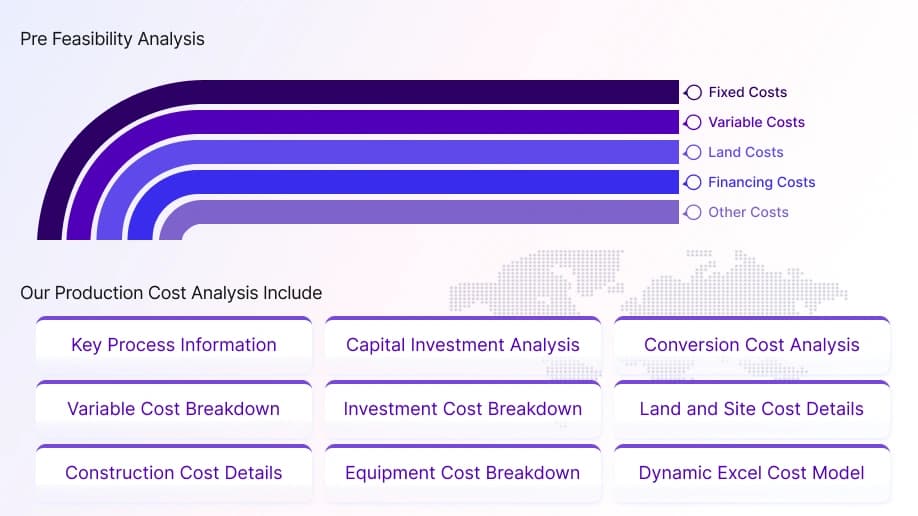
The report provides a detailed analysis essential for establishing a nylon production plant. It encompasses all critical aspects necessary for nylon production, including the cost of nylon production, nylon plant cost, nylon production costs, and the overall nylon production plant cost. Additionally, the study covers specific expenditures associated with setting up and operating a nylon production plant. These encompass production processes, raw material requirements, utility requirements, infrastructure needs, machinery and technology requirements, manpower requirements, packaging requirements, transportation requirements, and more.
Nylon is one of the most useful synthetic polymers that is commonly used to make a variety of different types of clothing and consumer items. The material is frequently utilized in the manufacture of tires, carpets, and apparel because of its long-lasting properties. Because of its resistance to tearing and abrasion, the material is perfect for production high-wear items like tires, parachutes, ropes, tents, conveyer belts, and other machine components. The high melting point of the nylon makes it appropriate for use in various industrial applications. In contrast to other materials with comparable capabilities, the nylon market is a reasonably priced option for producers seeking to cut expenses.
Nylon's demand has increased recently due to the growing appeal of synthetic materials because of its affordability, durability, and versatility. The market prices for this material have also increased because of the growing demand for such durable products in different industrial sectors. Moreover, its effectiveness in production durable and long-lasting machine parts drives the market for this commodity in the automotive and electronics industries.
Also, due to its adaptability and affordable price, nylon has seen an increase in demand in recent years for textile & apparel industries. Additionally, the availability and cost of production of nylon's feedstock (adipic acid, hexamethylene diamine), nylon market prices, environmental regulations & safety concerns, storage, handling, distribution (including trading and shipping), logistics, etc., are some of the elements that influence an industrial nylon procurement. Its applications as a vital component for the textile, electronic, automotive, and other industries have a significant impact on Nylon’s global procurement.
Raw Material for Nylon Production
According to the Nylon production plant project report, the major raw materials for Nylon production include Adipic Acid-Hexamethylene diamine.
Production Process of Nylon
The extensive Nylon production cost report consists of this major industrial production process:
- Production from Adipic Acid and Hexamethylene Diamine: In this process, adipic acid and hexamethylene diamine react in the presence of water to produce nylon salt, which is then evaporated to remove water. At the same time, titanium dioxide slurry is added, and the polymerization process produces nylon 6,6. Fiber ribbons are then extruded, chipped into pellets or flakes, and melted pellets are subsequently pumped by the spinneret to produce nylon fibres.
Nylon is basically a synthetic polymer. It is a silky thermoplastic material that may be spun, cast, or extruded into fibres, films, bristles, or sheets from a solution using spinnerets. Polyamides, which are repeating units joined by amide linkages, make up nylon. It is typically processed into fabric and yarn and has strong resilience to heat and chemicals.
It is produced through the polymerisation of injection moulding. The specific gravity of nylon is 1.14 and its stiffness ranges between 20-40 gm/den. It has excellent abrasion resistance. The moisture regain of nylon is between 3.5-5 percent and its breaking extension or elasticity is 20-40 percent.