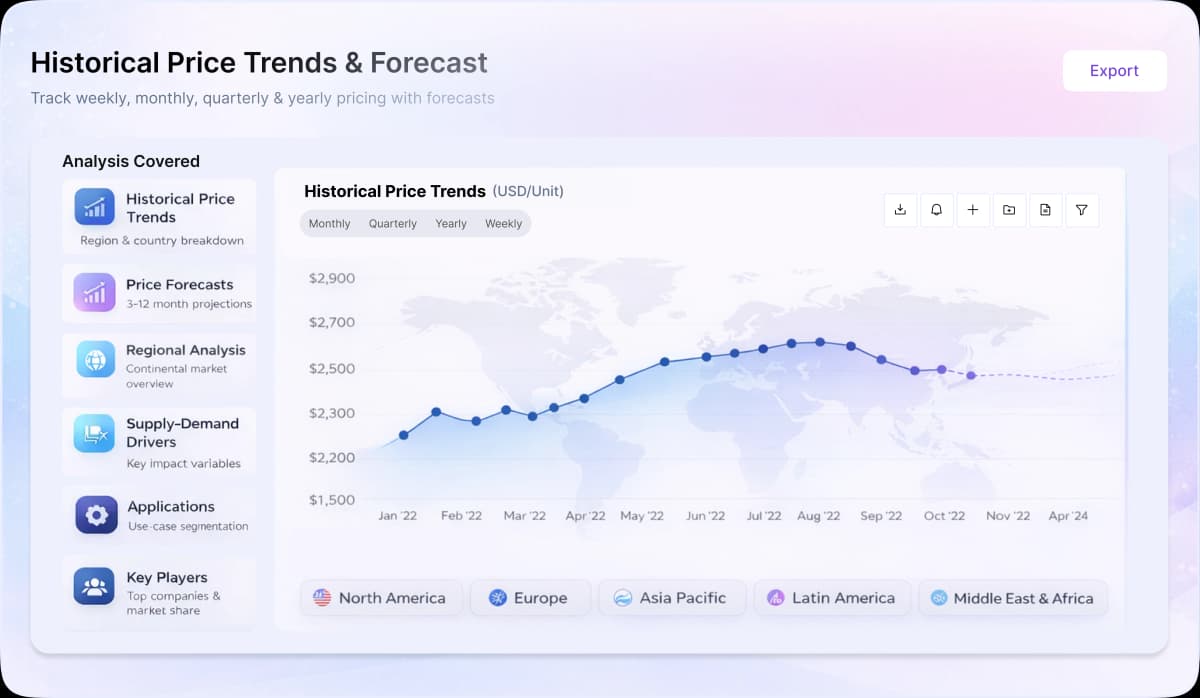
- Global 2-Ethylhexanol prices followed a volatile upward trend in Q1 2026 due to shifting cost and supply conditions.
- Feedstock pressure remained strong as propylene costs increased initially and later fluctuated, while the Iran war and Strait of Hormuz disruption raised energy and logistics costs.
- Downstream demand from plasticizers, PVC, and construction-linked applications remained uneven, with pre-holiday stocking followed by cautious procurement.
Asia
The prices of 2-Ethylhexanol witnessed mixed trends during the first quarter of 2026. Initially, the prices rose on account of higher feedstock prices and increased production of plasticizers before the Lunar New Year festivities. While supplies were initially abundant owing to strong operating levels, the maintenance and closure of factories during the celebrations resulted in lower supplies. However, as the quarter progressed, prices fell owing to lower feedstock prices, rising inventories, and falling demand following the end of the holiday season. In the last month of the quarter, the prices recovered amid disruption in energy markets globally owing to the war in Iran, which affected supplies via the Strait of Hormuz, raising production costs and ultimately 2-Ethylhexano
Europe
For Europe, 2-Ethylhexanol prices experienced a comparable oscillating pattern to Asia in the quarter. Higher input prices drove the initial strength, but lower demand and increased supply contributed to weakness in February. However, the Iran war and disruption of maritime routes contributed to higher logistics and energy prices, causing a tightening of supply conditions and driving prices up in March. Plasticizer and coating demand continued to be cautious.
North America
In North America, 2-Ethylhexanol prices also followed a trend like China, with early strength, mid-quarter weakness, and later improvement. Higher feedstock prices supported prices in January, but lower demand and stable supply conditions contributed to weakness in February. Geopolitical conflicts and Strait of Hormuz interruptions increased global prices, resulting in improved prices in March. Demand from the PVC and construction sectors remained cautious.