Cooler Forecast Pulls Natural Gas Down
Milder weather predictions for the eastern US in the second half of June reduced expectations for high cooling demand, causing Nymex natural gas futures to tumble and indicating near-term price weakness.

Milder weather predictions for the eastern US in the second half of June reduced expectations for high cooling demand, causing Nymex natural gas futures to tumble and indicating near-term price weakness.
Japan's METI granted a $3 billion CfD subsidy to ACME-IHI for 228,000 t/y green ammonia exports from India starting 2030. The program reduces price risk for producers and secures offtake by Japanese users, encouraging low-carbon ammonia production and likely stabilizing green ammonia prices in the long run.
Asia
In Asia, ammonium carbonate prices mostly fell during the fourth quarter of 2025. Production in major countries like China and India remained strong, with many plants running at normal or high capacity. This kept supplies ample, and buyers were cautious because downstream demand, especially from fertilizer and chemical sectors, was weaker than expected.
Some temporary maintenance caused minor short-term price rises, but overall, the market remained soft. The combination of sufficient inventory and moderate demand led to prices stabilizing at lower levels by the end of the quarter.
Europe
European markets saw a generally stable to slightly declining trend in ammonium carbonate prices. Industrial activity remained moderate, and fertilizer consumption was lower in the off-season, keeping demand soft. Imports continued to add to local supplies, which prevented any strong price gains. Some regional fluctuations occurred due to logistical delays and energy costs, but they were limited. Overall, prices were steady or slightly down compared with the previous quarter, reflecting a balance between steady supply and slow purchasing by end-users.
North America
In North America, prices followed a modest downward trend during Q4’25. Supply remained sufficient, and domestic producers kept output steady. Agricultural demand was lower toward the end of the year, and industrial buyers purchased mainly to meet immediate needs, avoiding speculative stockpiling. This cautious buying, along with ongoing high inventories, contributed to slight price declines. However, prices did not drop sharply and remained mostly range-bound.
Analyst Insight
According to Procurement Resource, Ammonium Carbonate prices are expected to stay fairly stable in the near term, with only minor changes unless there were major shifts in supply or demand.
Related Report
Need Latest Ammonium Carbonate Prices?
Get real-time price assessments, periodic trends, forecasts and price driver insights across key global markets.
Our Clients


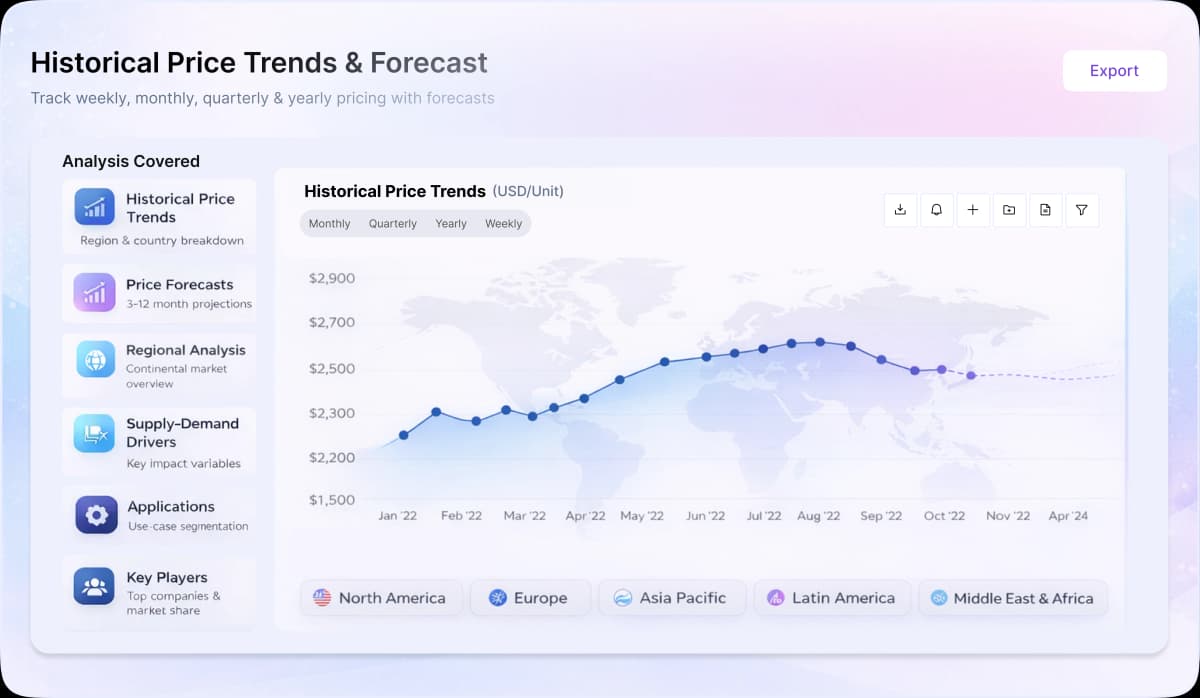
Turn price intelligence into action with the Procurement Resource Database. Log in or subscribe to unlock live price trends, historical charts, supplier databases, cost curves, and analyst-backed insights across chemicals, agriculture, energy, packaging, and more. Use these tools to benchmark your contracts, plan budgets with confidence, and stay ahead of market moves on every product you buy.
0
+Products
0
+Regions
0
+Subscriptions
Asia
In Asia, especially in China, ammonium carbonate prices followed a mostly weak trend during Q3 2025. The quarter began with low demand from agriculture and steady production levels, which caused oversupply in the market. Many producers had resumed normal operations after earlier maintenance shutdowns, increasing the output. At the same time, downstream industries, including fertilizers and chemicals, showed little growth in consumption. Some temporary support to prices came in late July due to new maintenance activities at certain plants, which slightly tightened the supply.
However, this effect didn’t last long. August saw prices come under more pressure as supply remained high and buyers stayed cautious. Industrial activity was flat, and seasonal agricultural demand had not yet picked up, leading to increased inventories and weak buying interest. In September, prices saw a brief recovery as some suppliers adjusted their output levels. Still, this was offset by continued sluggish demand. Overall, the market showed signs of instability, with more downward pressure than gains throughout the quarter.
Europe
In Europe, ammonium carbonate prices remained under pressure during the third quarter. Production across the region stayed stable, and there were no major supply disruptions. However, demand from end users stayed low, particularly in the fertilizer and food processing sectors, which use carbon dioxide in production.
The market also reflected broader trends in weak industrial activity and cautious purchasing behaviour. Even when supply eased slightly at times, prices did not gain much support. The weak demand environment meant that even small increases in supply could weigh on the market. Prices showed little momentum and mostly moved in a downward or flat direction.
North America
In North America, the market for ammonium carbonate was relatively balanced but stayed soft overall. Supply remained steady as plants operated normally without major issues. Demand from agriculture was low, which is typical during off-season months. Industrial users continued to buy on a need-only basis, without any noticeable rise in consumption. As a result, prices stayed within a narrow range and lacked clear direction throughout the quarter.
Analyst Insight
According to Procurement Resource, Ammonium Carbonate prices may stay mostly stable in the coming months. A slight rise in agricultural demand could offer some support, but stronger recovery will depend on broader industrial demand picking up.
Ammonium carbonate is a crystalline white powder with a pungent smell that readily decomposes to ammonia, carbon dioxide, and water. It is a popular leavening agent employed in baking industries and thus is also known as baker’s ammonia. It has been traditionally employed in baked goods for its ability to produce carbon dioxide gas, contributing to the rise and texture of certain recipes.
(NH4)2CO3
Baking, Leather industry, PH Control, Pharmaceuticals, Textile
Bayer AG, Shanghai Mingdou Agrochemical Co Ltd, Monsanto Company, Syngenta Group, SinoHarvest
Baker’s ammonia
CurrencyUS$ (Data can also be provided in local currency)
Supplier Database AvailabilityYes
Customization ScopeThe report can be customized as per the requirements of the customer
Post-Sale Analyst Support360-degree analyst support after report delivery
Note: Our supplier search experts can assist your procurement teams in compiling and validating a list of suppliers indicating they have products, services, and capabilities that meet your company's needs.
In this reaction, carbon dioxide gas is passed over ammonia solution and the vapors are distilled to give ammonium carbonate in solid form.
Our Price Analysis Methodology

AVP - Strategy and Solutions
Leading procurement research solutions across chemicals, materials, and food & beverages, with expertise in price forecasting and market analytics.

Experience how Procurement Resource transforms raw material price data into clear, decision ready intelligence. Optimise your performance with reliable, expert market data and analysis. Schedule your demo today to experience a live walk-through where our experts will showcase interactive price charts, forecasted prices, and insights driving the prices for your key commodities, tailored to your workflows. Contact us now!
Our Team will be happy to assist you
We are just a text away
Still Need Help?
Europe & Africa
+44 7573 171117
Sales@procurementresource.com
USA & Canada
+1 307 363 1045
Sales@procurementresource.com
APAC
+91 8850629517
Sales@procurementresource.com
Unlock full access to Procurement Resource's price databases, interactive charts, and short-term forecasts for thousands of commodities. Elevate your sourcing decisions by comparing prices across regions, downloading historical data, and layering in analyst-backed insights, all with our flexible plans that scale as your portfolio grows.
Still have any Questions
Contact Us



Price Trend Dashboard - What's Included
Price trends across a diverse portfolio of categories and products, spanning board to niche chemicals
Coverage extendable to grade-specific chemicals based on procurement requirements
Regular price tracking supported by robust historical datasets
News, policy updates, and key market drivers impacting price movements
Short-term and long-term price outlooks and forecasts
Supply–demand dynamics and capacity-driven market analysis

Track prices, market movements, supply-demand dynamics, and industry developments across hundreds of commodities through a centralized intelligence platform built for informed procurement decisions.

Understand market fluctuations using analyst-backed forecasts, historical pricing patterns, and evolving industry trends to strengthen sourcing strategies and budget planning.

Leverage cost models, pricing benchmarks, and procurement insights to evaluate purchasing opportunities, improve negotiations, and enhance operational efficiency.
Access region-specific price trends, trade activities, capacity changes, and supply chain developments influencing commodity markets worldwide.
