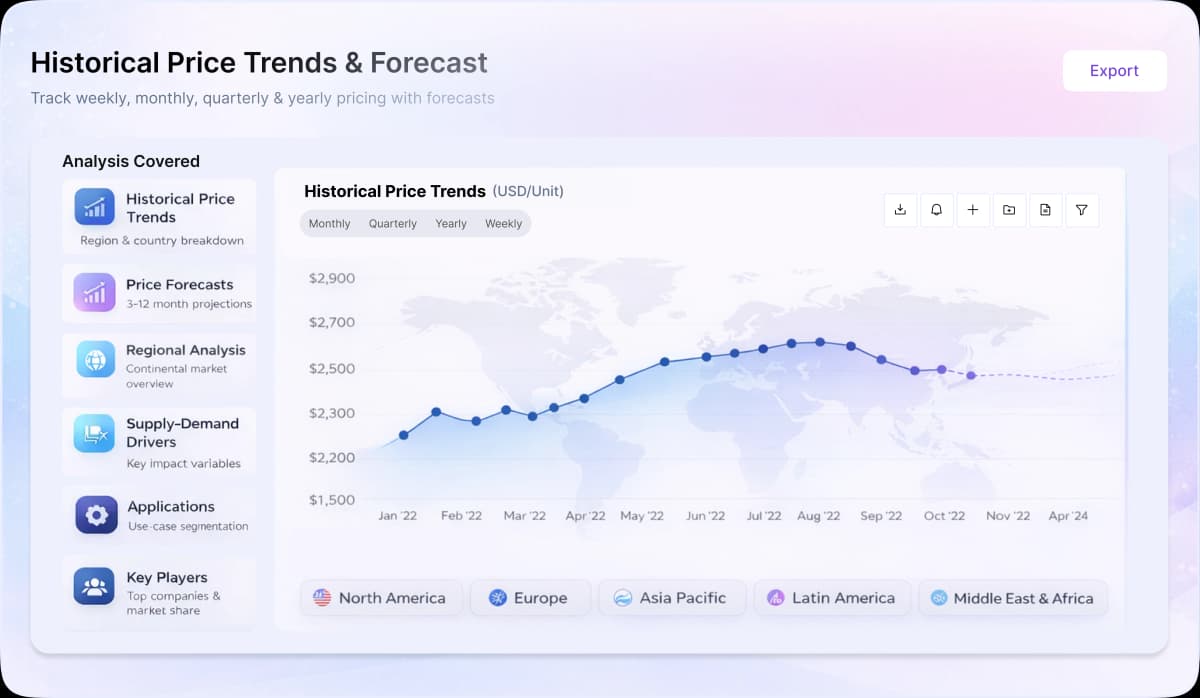
- DMAPA (Dimethylaminopropylamine) markets stayed firm during Q1’26 as upstream amine and nitrile chain costs increased, while logistics disruption tightened supply sentiment across major regions.
- Feedstock pressure was led by higher costs for key amine, nitrile, methanol, ammonia, and energy-linked inputs after Middle East disruptions affected petrochemical flows.
- Downstream demand remained steady from surfactants, personal care, water treatment chemicals, agrochemical intermediates, and oilfield chemical applications.
Asia
DMAPA (Dimethylaminopropylamine) prices in Asia remained firm during the first quarter of 2026, with China seeing stronger upstream pressure from higher feedstock and petrochemical costs. India also faced elevated import and logistics costs as regional chemical flows were affected by Middle East route disruptions. Supply-chain concerns increased after affected Asian cracker operating rates were reduced by 20.0% to 63.0%-65.0% from 83.0%-85.0% earlier. Methanol availability was also watched closely, as about 20.0% of methanol capacity was affected by the Iran war, adding pressure to amine-based intermediates. Demand from surfactants and personal care manufacturers stayed stable, but buyers avoided excessive stocking.
Europe
European DMAPA (Dimethylaminopropylamine) markets showcased a stable to firm trend as higher energy, freight, and imported chemical costs supported production economics. Producers and traders remained cautious because the Iran war disrupted petrochemical supply chains, while 12.0%-16.0% of ethylene capacity was also reported to be affected. Demand from home care, industrial cleaning, and water treatment applications remained steady, keeping procurement active.
North America
North American DMAPA (Dimethylaminopropylamine) sentiment remained firm yet measured. Feedstock and freight risks raised landed cost concerns for imported chemical intermediates, while domestic demand from personal care, oilfield chemicals, and industrial formulations stayed steady. Buyers maintained need based procurement due to uncertain raw material costs and global shipping risks.