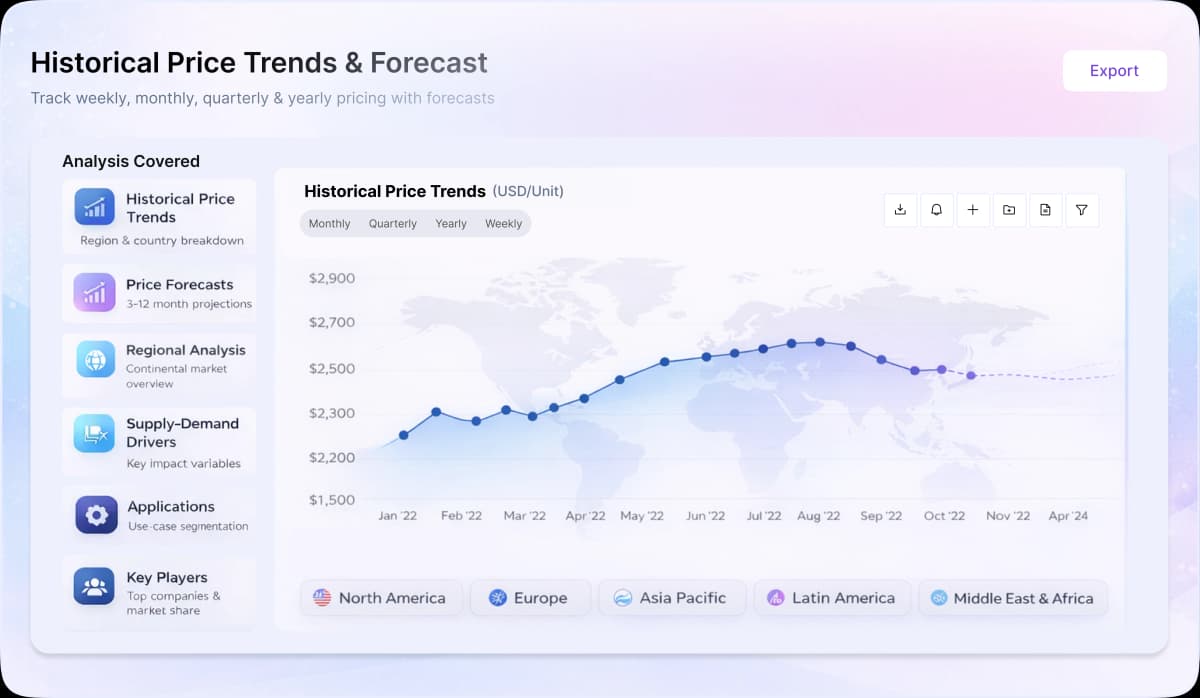
- Magnesium chloride prices were largely stable to firm in Q1’26, with Asia supported by magnesium-chain cost pressure, while Europe and North America faced higher delivered-cost risk.
- Feedstock pressure came from brine, magnesite-linked magnesium compounds, power, thermal coal, freight, and fuel. The Strait of Hormuz disruption mattered indirectly because around 20% of global oil supply normally moves through the route.
- Downstream demand remained steady from deicing, environmental treatment, chemicals, agriculture, dust control, textiles, and industrial uses. Buyers stayed cautious, limiting sharper gains.
Asia
In Asia, magnesium chloride prices were stable to firm during Q1’26. China’s magnesium-chain sentiment improved as spot availability tightened and producers resisted low-priced orders. Feedstock support came from brine, magnesium compounds, power, coal, and logistics costs. The Iran war and Strait of Hormuz closure raised freight and fuel-risk concerns, but there was no direct supply shock to magnesium chloride. Demand from industrial chemicals, agriculture, textiles, and environmental applications supported steady offtake.
Europe
In Europe, magnesium chloride prices remained firm, mainly due to import dependence, winter deicing demand, and higher delivered-cost pressure. Freight and energy uncertainty increased after the Middle East conflict, especially as shipping and bunker fuel costs rose. Buyers continued procurement for deicing, industrial, and environmental uses, but most purchases stayed need-based. This kept the market supported without a strong demand-led rally.
North America
In North America, magnesium chloride prices were supported by import reliance and stable demand from deicing, dust control, agriculture, and industrial applications. The market remained exposed to Asia-origin magnesium compounds and international freight movement. Higher shipping risk and fuel-cost pressure increased replacement-cost concerns, while steady seasonal deicing demand helped suppliers hold firm offers.