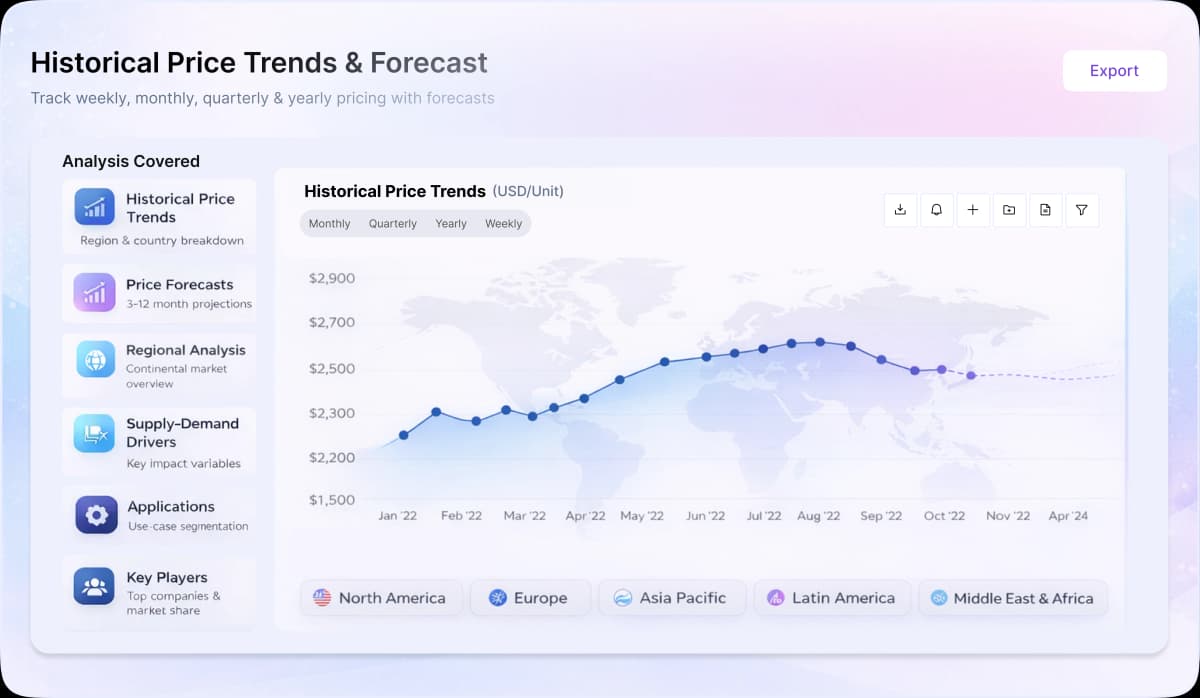
In the second half of 2024, ocean freight prices stayed high and volatile as global shipping routes continued to face severe disruptions. Costs had already risen sharply earlier in the year, and by H2 the market was still feeling the effects of blocked or restricted passages in the Red Sea, Suez Canal, and Panama Canal.
Ships were forced to take longer routes, which increased fuel use, insurance fees, and transit times. Even though some freight indices dropped from their mid-year peaks, they remained far above pre-pandemic levels, showing that the market was still under considerable pressure.
Rates on major trade lanes stayed elevated, especially those connecting Asia with Europe, South America, and Africa. Many routes saw charges more than double compared with the previous year as vessels were delayed, diverted, or stuck in congested ports.
The instability created a ripple effect across supply chains, causing shortages, slow deliveries, and higher costs for importers. At the same time, demand picked up slightly for certain regions, adding more pressure to an already tight system. Overall, ocean freight in H2’24 moved in a fluctuating pattern; down from extreme highs but still costly and unpredictable.
Analyst Insight
According to Procurement Resource, Ocean Freight prices may ease only if key routes reopen and vessel capacity normalizes, but geopolitical risks mean that volatility could continue into 2025.