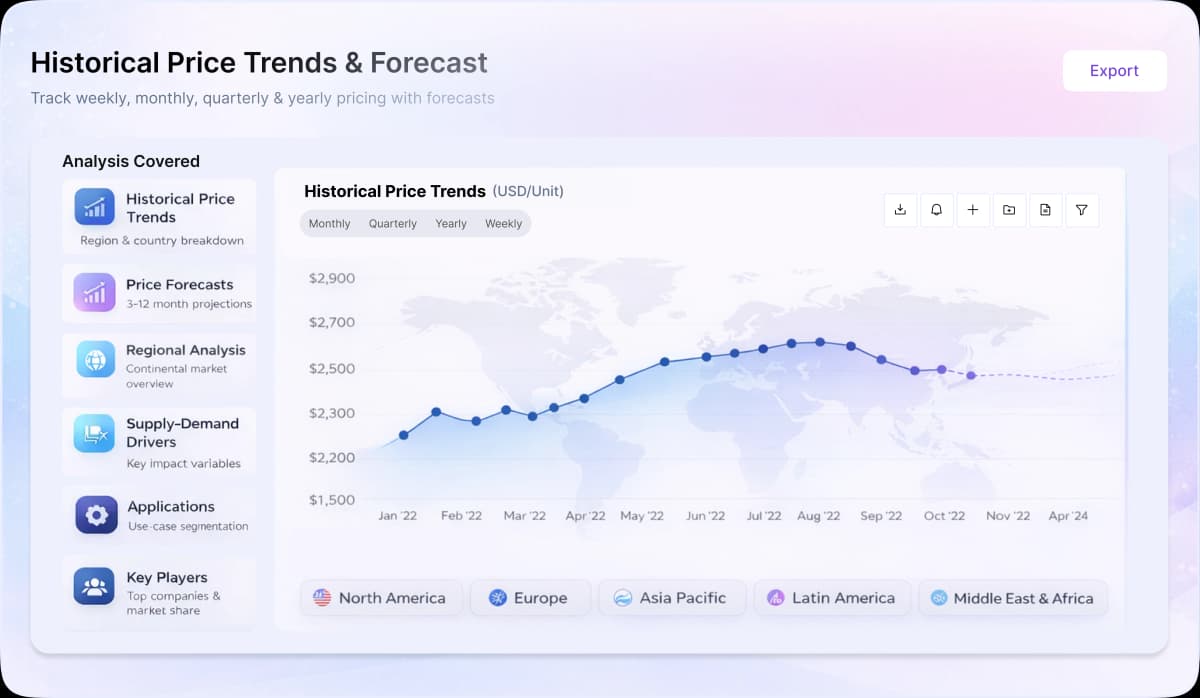
- Global paraffin prices followed a firm-to-volatile trend during Q1’26 as energy-market disruptions, tightening refinery-linked supply conditions, and elevated freight expenses supported market sentiment globally.
- Feedstock pressure intensified after disruptions around the Strait of Hormuz affected nearly 20% of global oil and LNG trade flows, sharply increasing refinery operating costs, freight premiums, and replacement values.
- Downstream demand from candles, packaging, rubber processing, adhesives, cosmetics, textiles, and board industries remained stable, although buyers maintained cautious procurement strategies amid volatile energy markets.
Asia
In Asia, paraffin prices remained firm during Q1’26 due to elevated refinery-linked production costs and higher regional freight expenses. Market sentiment strengthened after Reuters reported that Brent crude forecasts for 2026 increased by nearly 30% from pre-war estimates, while global energy supply concerns intensified due to the Iran conflict. Tightened export availability and higher marine insurance costs following the Strait of Hormuz disruption supported replacement values across China and India. Stable downstream demand from candles, packaging waxes, rubber products, textiles, and adhesives continued to support regional procurement despite cautious buying activity.
Europe
In Europe, paraffin prices strengthened as import-dependent buyers faced elevated freight, utility, and replacement costs during Q1’26. Shipping disruptions and rerouting of tanker cargoes increased logistics expenses across the region, while concerns regarding declining OPEC+ output by up to 11 million barrels/day in Q2’26 further tightened energy-linked sentiment. Demand from cosmetics, board coating, industrial wax applications, and candle manufacturing remained comparatively stable, although weaker industrial activity limited sharper gains.
North America
In North America, paraffin prices remained stable-to-firm due to higher export replacement costs and tightening global refinery economics. Reuters also noted that WTI forecasts increased substantially from pre-conflict projections, while the International Energy Agency’s 400-million-barrel strategic release covered only around 20 days of normal Hormuz flows, sustaining supply-risk sentiment globally. Demand from packaging, adhesives, candles, rubber processing, and industrial wax applications remained balanced, supporting steady procurement activity despite cautious inventory management.