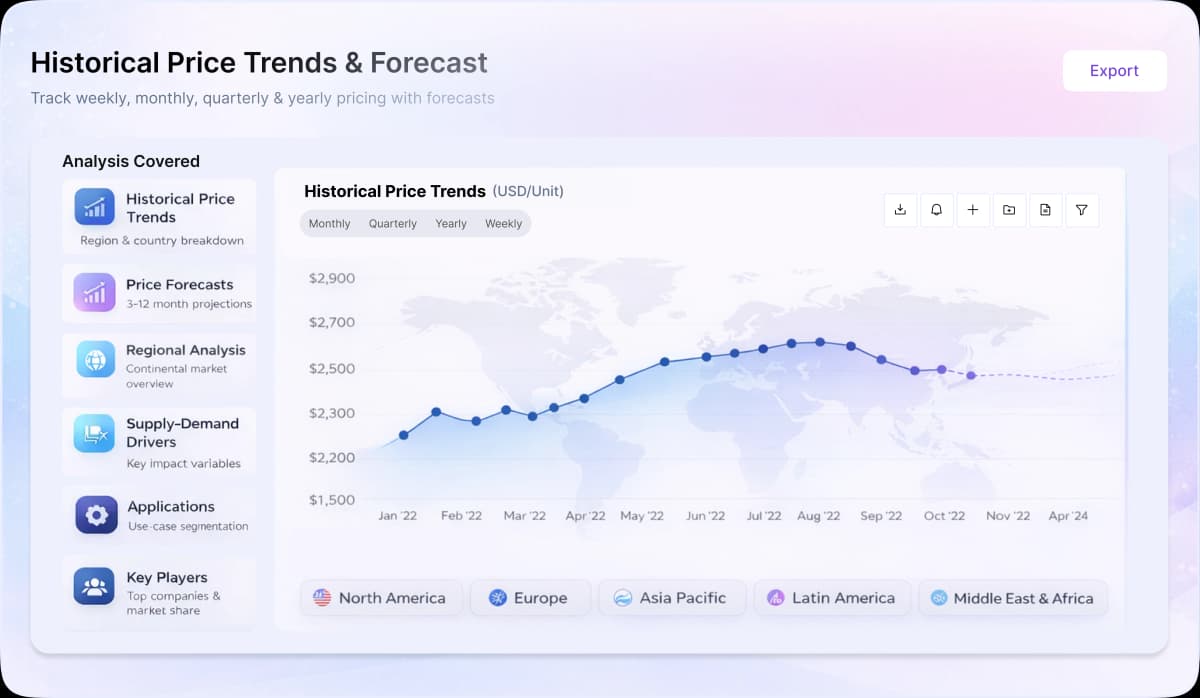
- SOP prices were stable to firm in Q1’26, with Asia seeing the clearest upward pressure, Europe facing import-cost support, and North America remaining comparatively steadier due to lower direct exposure to Middle East sulfur flows.
- Feedstock pressure came from sulfur, sulfuric acid, potash, energy, freight, and insurance costs. The Strait of Hormuz disruption was important because around 14% of global fertilizers and nearly 20% of global oil supply moved through the route before the war.
- Downstream demand was supported by spring fertilizer application and compound fertilizer production, but buyers remained cautious. Demand was enough to support prices, not strong enough to trigger aggressive restocking.
Asia
In Asia, SOP prices moved upward in Q1’26, mainly due to sulfur and sulfuric acid cost pressure. The Middle East supplied nearly half of global seaborne sulfur, and Asia depended heavily on the region, with 63% of its sulfur imports sourced from there. This made Asian SOP producers more exposed to the Strait of Hormuz closure. Daily sulfur shipments of 45,000-50,000 mt through the route were affected, tightening raw material availability. Potash availability offered some balance, but sulfuric acid pressure and freight risk kept SOP offers firm. Downstream demand from compound fertilizer and spring crop application supported procurement, though buyers resisted sharp increases.
Europe
In Europe, SOP prices were stable to firm during Q1’26. The region faced higher import-cost pressure from freight, insurance, energy, and disrupted fertilizer flows through the Strait of Hormuz. The route carried about 14% of global fertilizer trade before the war, making rerouting and shipping delays relevant for European nutrient markets. Downstream demand from horticulture, fruits, vegetables, and chloride-sensitive crops remained steady. Buyers purchased cautiously, but feedstock and logistics risk prevented price weakness.
North America
In North America, SOP prices were comparatively stable in Q1’26. The region had lower direct sulfur exposure to the Strait of Hormuz, as the Americas depend mainly on Canada and the U.S. Gulf Coast for sulfur supply. However, global freight, fuel, and fertilizer-cost pressure still affected replacement costs. Downstream demand remained steady from specialty crops, turf, and chloride-sensitive fertilizer use.