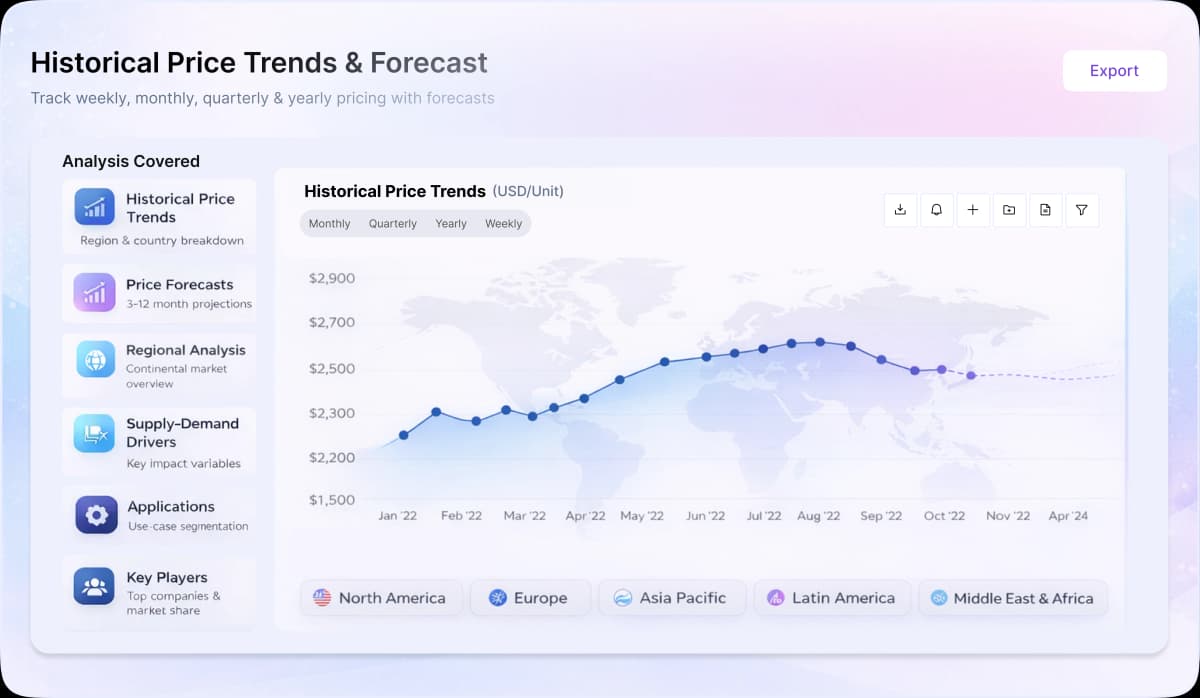
- Global vinyl chloride prices strengthened during Q1’26 as geopolitical shipping disruptions, elevated energy costs, and higher replacement values increased production cost pressure across major regions.
- Feedstock pressure intensified through rising ethylene, calcium carbide, utility, and freight expenses, particularly after disruptions around the Strait of Hormuz increased transportation and insurance costs globally.
- Downstream demand from pipes, fittings, cables, packaging films, and construction materials remained uneven, although improving export activity and resumed procurement supported Asian market sentiment.
Asia
In Asia, vinyl chloride prices moved upward during Q1’26 as stronger export activity, tighter freight availability, and improving overseas demand supported regional sentiment. Early-quarter market conditions remained cautious due to slow domestic construction demand and comfortable supply levels. However, procurement activity improved from February onward as export orders strengthened and downstream buyers gradually returned to the market. By March, logistical disruptions and elevated marine insurance costs linked to the partial closure of the Strait of Hormuz tightened regional supply chains and significantly increased delivered costs.
Europe
In Europe, vinyl chloride prices followed a firm trend during Q1’26 as energy-intensive production faced higher operating and import replacement costs. Shipping delays and rising freight charges linked to Middle East disruptions increased the cost of imported raw materials and finished products, while producers adjusted offers upward to protect margins. However, weak downstream construction activity restricted stronger market gains, with euro area construction output declining by 0.2% month-on-month in February 2026. Demand from building materials, industrial profiles, and infrastructure applications remained moderate despite elevated cost pressure.
North America
In North America, vinyl chloride prices remained relatively stable early in Q1’26 before strengthening toward the quarter close as higher freight, energy, and export replacement costs improved sentiment. Although the region remained less exposed to direct Hormuz-related supply disruptions due to stronger domestic production, rising global logistics expenses and energy-market volatility supported pricing. Demand from construction-related applications, including pipes, fittings, and infrastructure materials, remained steady and continued supporting downstream consumption throughout the quarter.