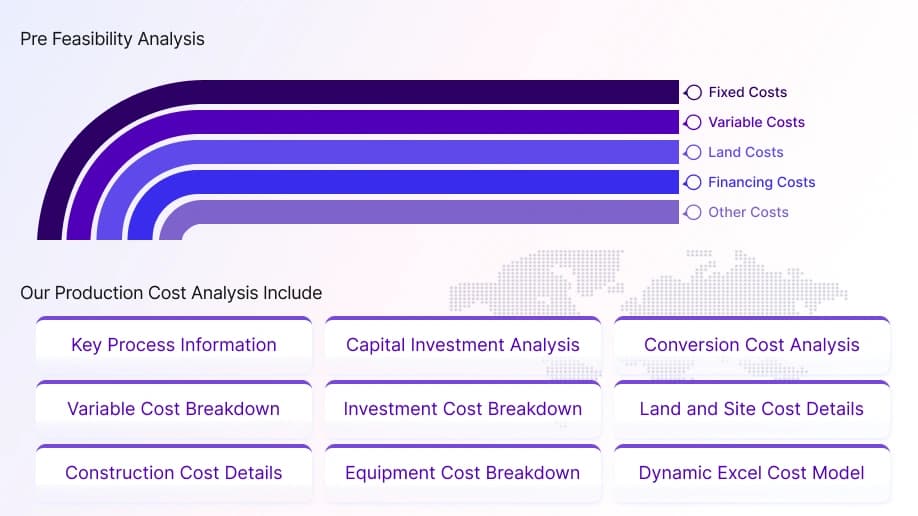
The report provides a detailed analysis essential for establishing a butyl acrylate production plant. It encompasses all critical aspects necessary for butyl acrylate production, including the cost of butyl acrylate production, butyl acrylate plant cost, butyl acrylate production costs, and the overall butyl acrylate production plant cost. Additionally, the study covers specific expenditures associated with setting up and operating a butyl acrylate production plant. These encompass production processes, raw material requirements, utility requirements, infrastructure needs, machinery and technology requirements, manpower requirements, packaging requirements, transportation requirements, and more.
Butyl Acrylate Market Overview: Supply, Demand, and Sourcing
Butyl acrylate is an organic liquid made by combining acrylic acid with n-butanol. It is used to produce soft and flexible polymers because it remains flexible at low temperatures. The commercial product is a clear liquid that contains an inhibitor to keep it stable. Butyl acrylate is moved in storage tanks, tank containers, road tankers, or drums. Its temperature, oxygen level, and inhibitor content must be checked during storage to keep the product stable and prevent polymer formation.
Industrial butyl acrylate procurement covers polymer-grade monomer used in coatings, adhesives, sealants, textile binders, plastics, and acrylic rubber. Architectural paints and pressure-sensitive adhesives are two major uses of butyl acrylate. It helps these products remain flexible, stick firmly to surfaces, withstand changing weather, and perform well at low temperatures. Most butyl acrylate is supplied by large acrylic acid producers that also have access to oxo alcohols, utilities, and coastal shipping. The main production and consumption regions are North America, Western Europe, China, Japan, South Korea, and Southeast Asia. A new butyl acrylate production plant needs reliable raw materials, confirmed buyers, safe storage, proper purification equipment, and the necessary permits. Customers usually check purity, color, acidity, water content, inhibitor levels, aldehydes, and the product’s condition when it is delivered. They also consider how reliable the supplier is, what emergency support is available, whether the product meets regulations, how it can be delivered, etc. Supply contracts may also include minimum order volumes, tank schedules, and terms for unexpected disruptions. A detailed butyl acrylate production plant report helps bring these points together when assessing butyl acrylate production costs and whether the project is commercially practical.
Butyl Acrylate Specifications, Uses, and Supplier Selection
Butyl acrylate has the formula C7H12O2 and a molecular weight of 128.17 g/mol. It is a clear, colorless liquid with a strong ester smell. Its boiling point is close to 148 degrees Celsius, and its density is about 0.90 at room temperature. It has limited solubility in water but mixes well with many organic solvents. Polymerization takes place through the carbon-carbon double bond. Standard commercial grades usually contain at least 99.5 percent butyl acrylate. They also have limits for color, water, acidity, and monomethyl ether hydroquinone inhibitor. Shipments move by road tanker, tank container, drum, or dedicated storage tank. The normal inhibitor needs dissolved oxygen, so buyers require storage systems that allow controlled oxygen contact. Butyl acrylate links acrylic acid production with polymer dispersion production. Supplier approval includes gas-chromatography purity, inhibitor content, color, acidity, water, odor, and batch consistency. Buyers also look at logistics, emergency support, storage instructions, and regulatory documents. These checks support a butyl acrylate production plant project report.
Butyl acrylate is widely used in acrylic emulsions for architectural, industrial, wood, and protective coatings. It helps coatings form films at lower temperatures and improves flexibility, weather resistance, and moisture protection. Butyl acrylate is commonly used in pressure-sensitive adhesives for labels, tapes, protective films, and medical products. It is blended with harder monomers to get the right balance of stickiness, peel strength, cohesion, and durability. It is also used in acrylic sealants and caulks because these materials need to remain flexible and perform well outdoors.
In textiles and nonwoven materials, acrylic binders are used to make products softer, more durable after washing, and better at retaining color. Butyl acrylate is used in paper coatings and packaging adhesives to make them more flexible and improve how well they stick. Plastic companies also use it in impact modifiers, processing aids, and ethylene-butyl acrylate copolymers. Butyl acrylate is used in acrylic rubber for seals, hoses, and vehicle parts that must handle high temperatures. It is also found in leather coatings, floor polishes, printing inks, and specialty dispersants. Each use has different quality needs, including limits for odor, acidity, color, and how the material reacts during polymerization. Adhesives for medical, hygiene, and electronic products usually need tighter control of odor and residual monomer.
Main Uses of Butyl Acrylate and Demand Drivers
The butyl acrylate demand and supply analysis proves that paints and coatings are the largest users of the compound. Acrylic latex producers mix it with methyl methacrylate, styrene, vinyl monomers, and other materials. Butyl acrylate gives the polymer softness, flexibility, and better adhesion, while also helping the coating form a smooth film without cracking. Demand is linked to construction, home repainting, industrial maintenance, wood coatings, and the growing use of water-based paints. Renovation activity can also support demand when new construction slows.
Adhesives and sealants are another important use of butyl acrylate. It is used in labels, tapes, protective films, hygiene products, caulks, packaging adhesives, and other flexible bonding materials. Demand is supported by packaging, online shopping, repair work, vehicle production, and consumer goods. Textile, paper, leather, and nonwoven producers also use acrylic binders to improve softness, bonding strength, and wash resistance.
Butyl acrylate is also used in plastic impact modifiers, acrylic rubber, floor-care products, printing inks, dispersants, specialty resins, etc. Some of these uses require stricter limits on odor, impurities, and inhibitor content. The variety of customers also affects storage needs, production schedules, packaging options, and supplier approval. Reliable contracts and transport services can help producers handle changes in demand from coatings and adhesives.
Butyl Acrylate Market Constraints and Operating Risks
The main market risk comes from changes in acrylic acid and n-butanol prices. These prices are affected by propylene, synthesis gas, energy costs, and plant operating rates. Integrated producers are usually better placed to protect margins than stand-alone ester plants. Demand also depends on construction, packaging, vehicle production, and wider industrial activity. New capacity can create oversupply, especially when exports weaken. Import duties, port delays, hazardous-goods rules, and insurance costs can also raise expenses.
The biggest plant safety risk is uncontrolled polymerization, which can release heat quickly and create fire or storage problems. Low inhibitor levels, lack of oxygen, contamination, high temperatures, or long storage times may trigger the reaction. Product quality may also suffer if water, color, acrylic acid, or heavy impurities are outside limits. Fouling can reduce recovery and increase shutdowns. Safe operation requires proper tank cleaning, venting, cooling, wastewater treatment, and regular maintenance.
Butyl Acrylate Production Process: Feedstocks, Process, and Cost Drivers
The report follows the complete butyl acrylate value chain and reviews the production cost of industrial butyl acrylate output.
- By Direct Esterification: Main inputs are acrylic acid, n-butanol, an acid catalyst, and a polymerization inhibitor.
The butyl acrylate production process starts by feeding acrylic acid and n-butanol into an esterification reactor under inhibitor control. Sulfuric acid, sulfonic acid, or an acidic resin is used as the catalyst. Water formed in the reaction leaves with an azeotropic vapor stream and is condensed. A decanter separates the water phase, while the organic phase is sent back to the reactor or column. The crude ester is cleaned by neutralizing and washing it, then allowing the liquid layers to separate. Unused n-butanol and acrylic acid are recovered and sent back into the process. Final distillation removes the remaining light and heavy impurities. The product is then cooled, checked, adjusted for the right inhibitor level, and moved into storage. The main cost drivers are acrylic acid, n-butanol, steam, electricity, recovery rates, inhibitor use, and wastewater treatment.
Butyl Acrylate Production Cost Breakdown
Acrylic acid and n-butanol account for most of the cost of making butyl acrylate. The amount required depends on conversion efficiency, feed recovery, purge losses, and rejected batches. Steam is used for water removal and distillation, while electricity runs pumps, cooling units, vacuum systems, compressors, and tank circulation. Catalysts, inhibitors, caustic solution, wash water, laboratory supplies, labor, maintenance, safety systems, emission control, and wastewater treatment add further costs.
Production costs also change with acrylic acid and oxo-alcohol prices, which are influenced by propylene, natural gas, refinery activity, and plant shutdowns. Energy and freight costs affect heating, cooling, purification, raw material delivery, and product transport. When the plant runs below capacity, fixed costs are spread across less output. Fouling, unwanted polymer formation, and off-specification batches can reduce yield. Storage checks, regulatory upgrades, waste fees, long shutdowns, restart losses, and contract penalties may raise costs further.
Buying Butyl Acrylate Feedstocks: Price Links and Procurement Factors
Acrylic acid is the main acid used in production. It is generally made from propylene through catalytic oxidation, mainly in large petrochemical regions across North America, Europe, and Asia. Its price can change with propylene availability, plant operating rates, energy costs, and regional trade conditions. Glacial acrylic acid needs low water, steady inhibitor content, and controlled aldehyde levels for efficient ester production. N-butanol is the second major input. It is generally produced by hydroformylating propylene to butyraldehyde and then hydrogenating it. Its price depends on the cost of propylene, synthesis gas, and hydrogen, as well as oxo-plant output and demand from solvents, acetates, and plasticizer alcohols. Plants may use sulfuric acid, sulfonic acid, or acidic ion-exchange resin as the catalyst. This choice affects corrosion, neutralization, product cleaning, etc. Monomethyl ether hydroquinone is usually added to prevent unwanted reactions. Caustic soda is used for neutralization, while water helps with washing and liquid separation.
The largest raw material costs are acrylic acid and n-butanol. Prices for acrylic acid could go up when propylene is hard to find, plants are shut down for maintenance, or demand from superabsorbent polymers increases. Prices of N-butanol also may rise if oxo-alcohol plants curtail output, fuel prices increase, or solvent demand improves. Sulfuric acid and caustic soda are smaller components of total spending but can contribute to the costs of corrosion control and wastewater treatment. The amount of inhibitors used is small, but poor handling may result in loss of material. Raw materials are the highest cost in producing butyl acrylate overall.
Long-term contracts work best when the raw materials meet the plant’s quality needs. Acrylic acid suppliers should share details on inhibitor use, storage temperature, and emergency handling. N-butanol suppliers should also keep water, aldehydes, acidity, color, and sulfur levels within the required range. Working with two approved suppliers can help avoid shortages, though it may require more storage and working capital. Coastal plants can receive raw materials by pipeline, ship, or road. Reusing leftover materials in the process can improve yield and reduce new purchases. Large plants may also lower costs by operating close to acrylic acid or oxo-alcohol facilities. Regular supplier checks, careful delivery planning, retained samples, and certificate reviews help keep production running smoothly.
Environmental Practices and Regulatory Requirements for Butyl Acrylate
Plants can lower resource use by recovering energy, recycling feedstocks, controlling emissions, and reducing wastewater load. Heat exchange between distillation columns cuts steam use. Good decanting and recovery systems return acrylic acid, n-butanol, and butyl acrylate to the process. Closed loading, vapor recovery, condensers, and leak checks limit volatile organic emissions. Some producers sell grades linked to mass-balance feedstocks or renewable electricity. These grades can lower reported product emissions without changing performance. Water reuse reduces fresh-water demand. Responsible commercial production also calls for measured product carbon data and controlled disposal of waste.
Compliance requirements cover chemical registration, hazard labels, flammable-liquid storage, worker exposure, and transport. Butyl acrylate is registered under REACH and appears on major national chemical inventories. European classification lists hazards related to flammability, eye and skin irritation, sensitization, and respiratory irritation. Plants need process-safety reviews, explosion protection, emergency cooling, firewater, and suitable tank vents. Wastewater permits limit organic loading, and air permits cover volatile emissions. Product stewardship should include safety data sheets, transport classification, inhibitor advice, and clear storage instructions for customers.
Capital and Operating Costs for a Butyl Acrylate Production Plant
A butyl acrylate production plant report needs to cover the initial investment and the cost of regular operation. Major equipment includes acrylic acid and n-butanol tanks, inhibited transfer lines, esterification reactors, azeotropic columns, condensers, and decanters. A butyl acrylate plant also needs neutralization vessels, wash settlers, recovery and finishing columns, reboilers, vacuum systems, and cooled storage tanks. Other support systems include nitrogen, instrument air, cooling water, steam, firewater, backup power, vapor treatment, and wastewater treatment.
The quality lab needs equipment to check product composition, water content, acidity, and color. Control rooms, loading areas, warehouses, civil work, electrical systems, etc., for hazardous zones also add to the initial butyl acrylate plant setup cost. Unloading points need proper spill control, grounding, vapor return, and drainage. Extra storage tanks are useful during maintenance or emergency transfers. Day-to-day costs include acrylic acid, n-butanol, catalysts, inhibitors, caustic soda, water, steam, electricity, repairs, waste treatment, laboratory materials, transport, etc. Labor is also needed across production, engineering, safety, quality, maintenance, logistics, and administration.
Choosing a Site and Assessing Investment for Butyl Acrylate Production
A suitable butyl acrylate production plant has to be located near reliable sources of acrylic acid and n-butanol. Integrated petrochemical parks can share pipelines, steam, cooling water, nitrogen, wastewater treatment, emergency services, etc. A coastal site can import raw materials and export bulk cargoes. Reliable electricity and refrigeration are essential for continuous distillation and safe storage. The plant site should allow enough room for hazardous chemical handling, safe spacing between units, firewater systems, proper drainage, and the required air permits. A location close to coatings and adhesives customers can also reduce delivery time and lower inventory needs. These points have implications for industrial production economics and supply reliability.
Investors should look at an ester plant as a standalone unit as compared to an ester unit linked to an acrylic acid complex. Output may be large, reducing the fixed cost per ton, but a secure demand and space to store are required. Feedstock contracts, customer nominations and export access sustain utilization. Catalyst selection affects construction materials, neutralization, waste and capital costs. The design of the recovery has a direct bearing on yield and energy use. A flexible production facility can share utilities and tanks with other acrylic ester units. Payback is a function of feedstock spreads, operating rate, energy cost and environmental spending.
Major Butyl Acrylate Production Regions
North America is one of the main regions producing butyl acrylate. Plants on the Gulf Coast benefit from nearby acrylic acid and oxo alcohol supplies, as well as good port and pipeline connections. Western Europe also has established plants located close to coatings, adhesives, and polymer companies.
China is the biggest producer of butyl acrylate in Asia. Its production is supported by a strong supply of acrylic acid and steady demand from the construction industry. Japan and South Korea mainly sell high-quality monomers to polymer producers in nearby markets. Indonesia and other Southeast Asian countries are also growing their coatings and acrylates industries. India, however, still depends on imports even though local demand is strong.
The Middle East has good access to the main raw materials, but it still has limited capacity for acrylic ester production. Freight charges, import duties, and stock levels can affect trade and plant operations. Butyl acrylate is mostly made by large integrated companies because the process requires safe storage, proper purification, and a reliable supply of raw materials.
Leading Butyl Acrylate Producers
BASF
- The company produces butyl acrylate using its own acrylic acid, oxo alcohols, and utility network.
- The production base includes Freeport, Texas, supported by BASF's global Verbund network.
- Access to raw materials and large production facilities helps the company keep costs competitive.
- The company also maintains polymer-grade quality, provides product stewardship support, and offers options linked to renewable electricity.
Dow
- The company produces butyl acrylate and other performance monomers in-house for polymer dispersions.
- Its integrated acrylates production site is located at Deer Park, Texas.
- World-scale assets and raw material integration support a low-to-mid-tier cost position.
- Quality strengths include ISCC PLUS certification, technical service, and international logistics.
Arkema
- Arkema makes acrylic acid and acrylic esters, including polymer-grade butyl acrylate.
- Its production network includes the Clear Lake site in Texas, with products supplied to customers worldwide.
- In-house production and an established coatings customer base help the company maintain a competitive mid-range cost position.
- The company's specifications control purity, acidity, water, color, and inhibitor content.
Nippon Shokubai
- The company makes acrylic acid, butyl acrylate, and other acrylic esters at its own facilities.
- Its main production sites are in Himeji, Japan, and Cilegon, Indonesia.
- Access to its own raw materials and nearby customers helps keep production costs competitive.
- The company also offers ISCC PLUS-certified options, Halal-certified products, and different packaging choices.
Mitsubishi Chemical
- The company makes low-impurity butyl acrylate for coatings, adhesives, and emulsions.
- Its production and sales activities are mainly based in Japan, with products distributed across Asia.
- Consistent quality and reliable supply place the product in the mid-to-premium market range.
- Quality support includes established specifications, tanker supply, drums, and regulatory documents.
LG Chem
- The company produces acrylates for paints, adhesives, plastics, and resins.
- Its production facilities are located in South Korea and are part of a larger petrochemical network.
- Access to local acrylic acid and strong demand from nearby customers help keep costs competitive.
- The company also uses its own technology and offers bio-circular balanced acrylate products.