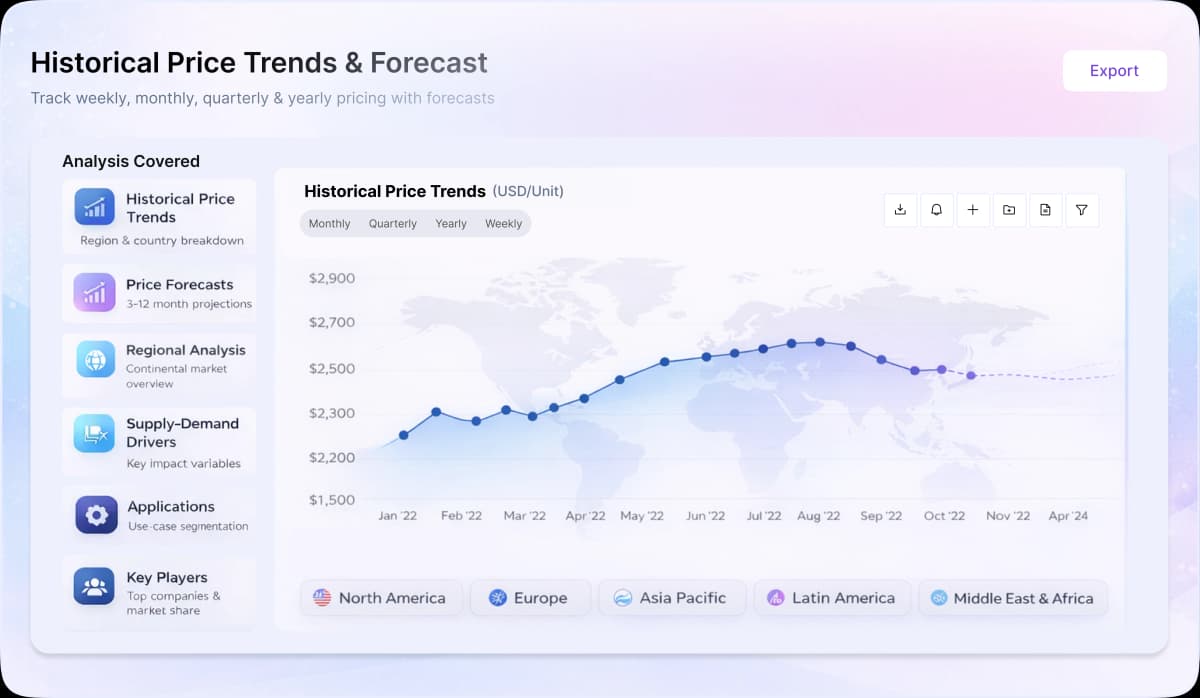
- Global ammonium nitrate prices moved upward in Q1’26 as Iran war tensions and the Strait of Hormuz closure disrupted fertilizer trade flows, with shipping activity dropping sharply and restricting supply across importing regions
- Feedstock pressure increased as nitrogen fertilizers depend heavily on natural gas, and rising gas costs pushed up production costs across Europe and Asia
- Downstream demand remained firm from agriculture and mining, supported by spring planting and industrial consumption despite supply uncertainty
Asia
Ammonium nitrate prices in Asia followed a firm upward trend in Q1’26 due to tightening supply and steady fertilizer demand. The disruption in Hormuz-linked trade reduced the availability of ammonia and nitrogen feedstocks, increasing production and import costs. Lower vessel movement and restricted logistics reduced cargo flow into key Asian markets, while stable agricultural demand maintained procurement activity. The region remained sensitive to global nitrogen supply disruptions due to its reliance on imports and integrated fertilizer trade flows.
Europe
Ammonium nitrate prices in Europe increased in Q1’26 as feedstock costs and supply risks intensified. Natural gas volatility raised production costs for nitrogen fertilizers, reducing operating rates and tightening supply. The Iran war amplified supply concerns, as around one-third of global seaborne fertilizer trade, about 16 million tonnes annually, passes through the Strait of Hormuz, increasing import risk and logistics uncertainty. Strong agricultural demand during the spring season supported firm market conditions despite production constraints.
North America
Ammonium nitrate prices in North America remained firm with a moderate upward trend in Q1’26, supported by steady domestic demand and global nitrogen tightness. The region was less exposed to direct supply disruptions due to strong domestic production, but global trade constraints increased replacement costs. Seasonal demand from agriculture and steady industrial consumption sustained buying activity, while global supply chain disruption influenced market sentiment.