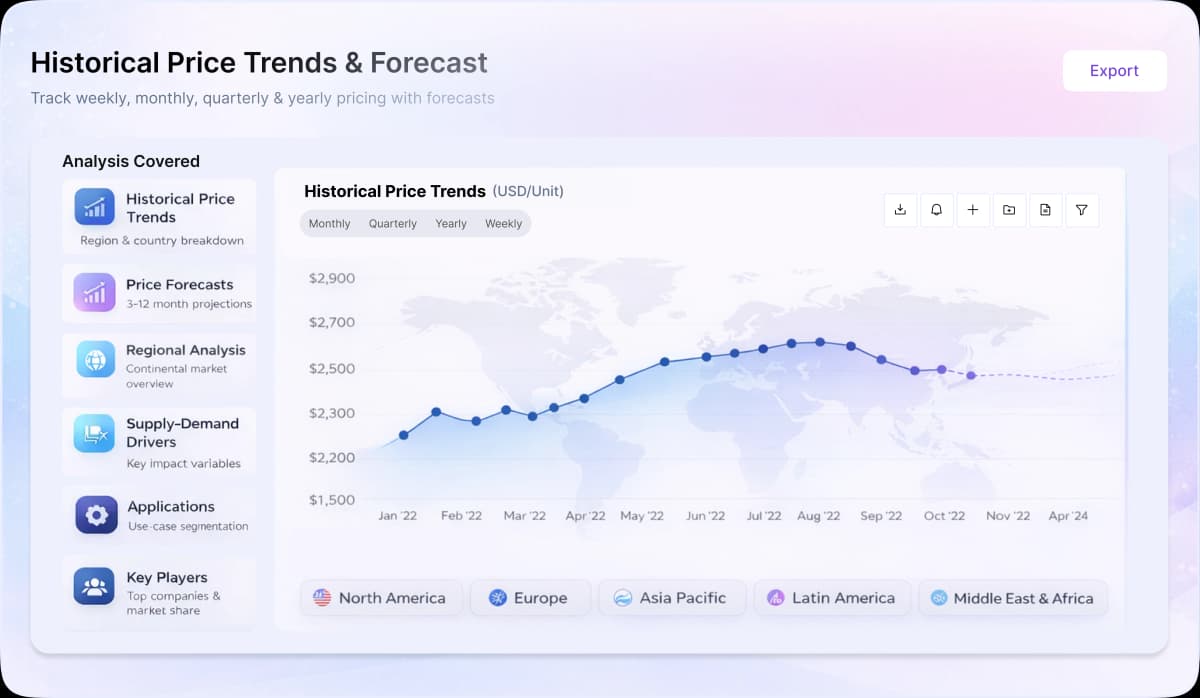
- Butyl acrylate prices showed a firm global trend in Q1 2026, supported by strong upstream cost pressure and tightening supply conditions across key producing regions.
- Feedstock support remained strong as acrylic acid prices increased due to rising propylene costs and constrained supply, pushing production costs higher.
- Demand from coatings, adhesives, sealants, and textile finishing remained steady, with essential consumption sustaining market activity despite cautious buying sentiment.
Asia
In Asia, butyl acrylate prices moved upward, supported by higher acrylic acid costs and a firm supply-demand balance during the first quarter of 2026. Rising upstream costs driven by increasing propylene prices strengthened producer pricing power, while limited low-priced availability tightened the market. New capacity additions were absorbed efficiently by downstream demand, particularly from coatings, adhesives, and emulsion applications. In China, steady essential demand and improved cost transmission supported price increases, while in India, supply disruptions linked to Middle East tensions and Strait of Hormuz congestion raised logistics costs and tightened imports. Regional petrochemical supply chains were further impacted, with over forty percent of global polyethylene exports originating from the Middle East facing disruptions, tightening raw material availability across Asia.
Europe
In Europe, butyl acrylate prices followed an upward trajectory due to elevated acrylic acid costs and rising energy and logistics expenses. Supply chain disruptions linked to geopolitical tensions increased freight costs and limited availability, while weak industrial activity in coatings and construction sectors restrained stronger price gains. Producers faced margin pressure as cost increases outpaced demand recovery.
North America
In North America, butyl acrylate prices remained firm, supported by rising feedstock costs and global supply tightening. Strong domestic raw material availability provided relative stability, but global logistics disruptions and cost pressures sustained upward pricing momentum. Demand from coatings, adhesives, and industrial applications remained moderate, preventing excessive price volatility.